01 October 2026
Located on Istanbul’s northern axis, on the edge of the Bilad-ı Selase (the “Three Towns”), Beykoz long retained its character as a quiet Bosphorus village, known as the sultans’ private garden and for the natural resources it supplied to the city center. Within the geography of Istanbul, however, it holds a special place not only for this natural beauty but also as one of the most deep-rooted production basins of the early industrialization journey that stretched from the Ottoman Empire to the Republic [1]. The energy and fuel infrastructure provided by its dense forest cover, its abundant water sources, the logistical advantages of its location on the Bosphorus and its “close yet isolated” relationship with the center made Beykoz a natural magnet for Istanbul’s industry.
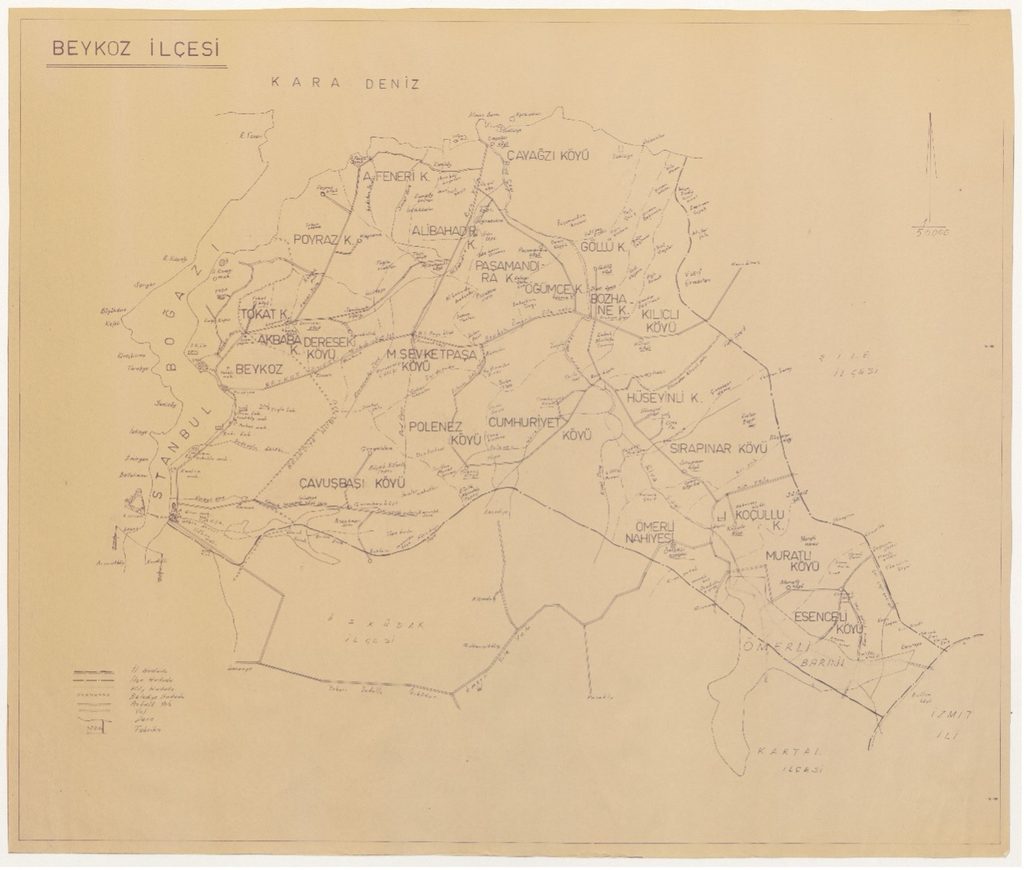
Image: Map Showing the Beykoz District and the Factories in Beykoz, Kundura Hafıza Archive
This distinctive identity that Beykoz acquired as an industrial basin was not simply the product of an industrialization drive; it was shaped by the deep bond that materials and labor formed with place. One of the clearest traces of this bond is glass and the glass industry. Beginning in İncirköy in particular, with traditional craftsmanship and the lighting of the first furnaces, this production gradually spread along the shoreline, and with the founding of Türkiye’s first modern glass factory in Paşabahçe, the İncirköy-Paşabahçe area became an important industrial hub of glass production. In Paşabahçe, the history of glass and glass culture has been a social and spatial process spanning nearly two centuries, extending from craft to the modern factory, and from there to an everyday practice that seeped into people’s homes [2].
Glassmaking in and around Paşabahçe began at the very start of the 19th century, in 1804, when the Mevlevi dervish Mehmet Dede combined the technical know-how he had brought from Venice with Beykoz’s geography, so well suited to industry. This first workshop, opened near Paşabahçe, gave rise to traditional styles such as “Beykoz İşi” (Beykoz Ware) and “Çeşm-i Bülbül” (Nightingale’s Eye), which would become symbols of Turkish glass art. With the Tanzimat period, this craft heritage began to be institutionalized through the Billur Fabrika-i Hümayunu (Imperial Crystal Factory), founded by Müşir Mustafa Nuri Paşa and later handed over to the state, and through the glass and porcelain factory founded by Ahmet Fethi Paşa, one of the earliest examples of private enterprise. At these facilities, located side by side in İncirköy, machinery imported from the West and foreign master craftsmen brought from Europe turned out a wide range of goods, from luxury crystal made for the palace to lamps for the Kaaba and porcelain stamped “Eser-i İstanbul” made with Western techniques [3]. Because of high costs and competition from cheap European goods, these ambitious ventures were unable to sustain lasting activity in the field. In the same period, the porcelain, tile and brick factory founded by local entrepreneur Yusuf Efendi, which operated without interruption until 1957 thanks to state support and privileges, became one of the longest-lived success stories of glassmaking in the region.
This wave of industry along the Paşabahçe-İncirköy line was not limited to the glass and ceramics sectors; it grew alongside other sectors such as chemicals and construction, in spatial continuity with one another. The İspermeçet Mumu Fabrikası (Spermaceti Candle Factory), which began operating in 1858 in the buildings of the closed Billur Fabrika-i Hümayunu, became one of the pioneers of the Ottoman chemical industry and left behind a physically viable, suitable space for the Paşabahçe Tekel Spirits and Liquor Factory that would be founded in the Republican period. Founded in 1884, the Fabbrica Vetrami Di Constantinople (Modiano Glass Factory) brought glassmaking to a mass scale with its cosmopolitan workforce and semi-automatic presses and, because of its harsh working conditions, became the scene of some of the first strikes (Tatil-i Eşgal) of the Ottoman labor movement [1]. The Çubuklu Soda Factory, which produced its drinks with the area’s famous spring water and sourced its packaging from Modiano and local glass workshops, revealed the organic bond between the region’s industries and the relationships between sectors [4].
Although all these 19th-century ventures were short-lived because of wars, global competition and financial crises, and have not survived to the present day, they left Paşabahçe with an industrial culture that would endure. The craftsmanship, industrial experience and organized labor that accumulated in the Paşabahçe labor basin laid the historical groundwork for the Tekel Spirits and Liquor Factory and the Paşabahçe Şişecam Factory, which would change the fate of the region.
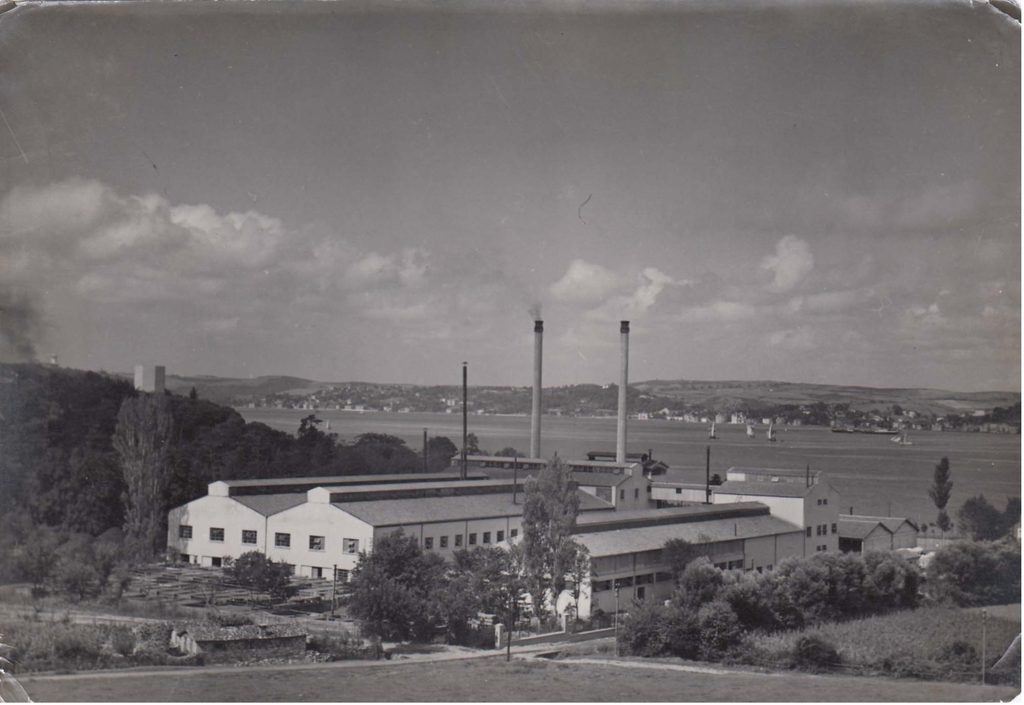
Image: Beykoz Paşabahçe Şişe Cam Factory, Kundura Hafıza Archive
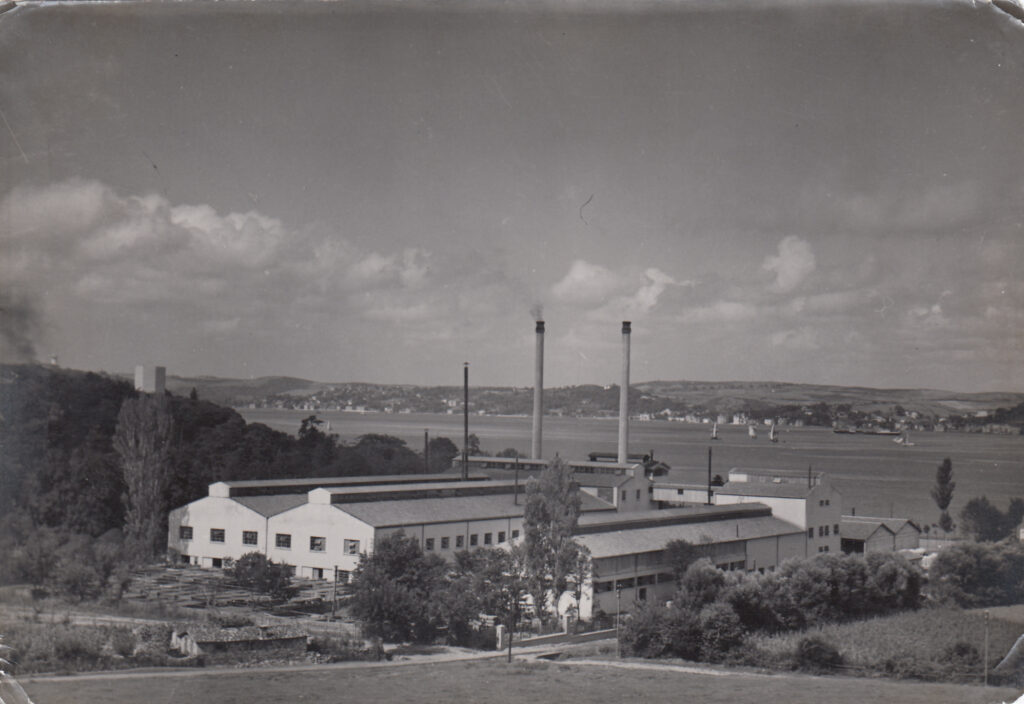
The first major Republican initiative in the region, built on the spatial and technical legacy of this accumulated experience, was the Paşabahçe Tekel Spirits and Liquor Factory, which began operating in 1930 in the buildings of the old candle factory dating from 1858. This venture, which transformed Paşabahçe from a quiet Bosphorus neighborhood into a massive industrial center, would be followed just 5 years later by the Paşabahçe Şişecam Factory, founded in 1935 to meet Tekel’s packaging needs and to establish a national glass industry.
The Paşabahçe Şişecam Factory is one of the national industrial institutions that played the most pivotal role in Türkiye’s industrial development and in the socio-spatial shaping of the Bosphorus. By a decision of the Council of Ministers, the task of establishing a domestic glass industry was given to Türkiye İş Bankası, and the factory’s foundations were laid in 1934 in the Paşabahçe neighborhood, which also gave the factory its name. Following trial production that began in July 1935, the factory was fully opened on November 29, 1935, at a ceremony attended by Prime Minister İsmet İnönü. The choice of Paşabahçe as the factory’s location was no coincidence: the ease of transporting sand and coal from the Black Sea and the need for glass bottles at the nearby Tekel Spirits and Liquor Factory were decisive factors. Protected by state support such as customs exemptions and regional production rights, the factory began production in 1935 with about 385 workers. The facility’s technical staff in its early years was made up of Turkish master craftsmen who had migrated in 1934 from the city of Varna in Bulgaria and specialists brought in from Europe [1].
Production at the factory was carried out in two main branches: automatic bottle machines, and artistic handcraft based on the traditional blowing technique in front of the furnace, known as “globe.” While the hot glassblowing and batch-mixing departments were staffed entirely by men, women workers were heavily employed in jobs requiring finesse, such as cold glass processing, decorative cutting, gold gilding, inspection and packaging [2].
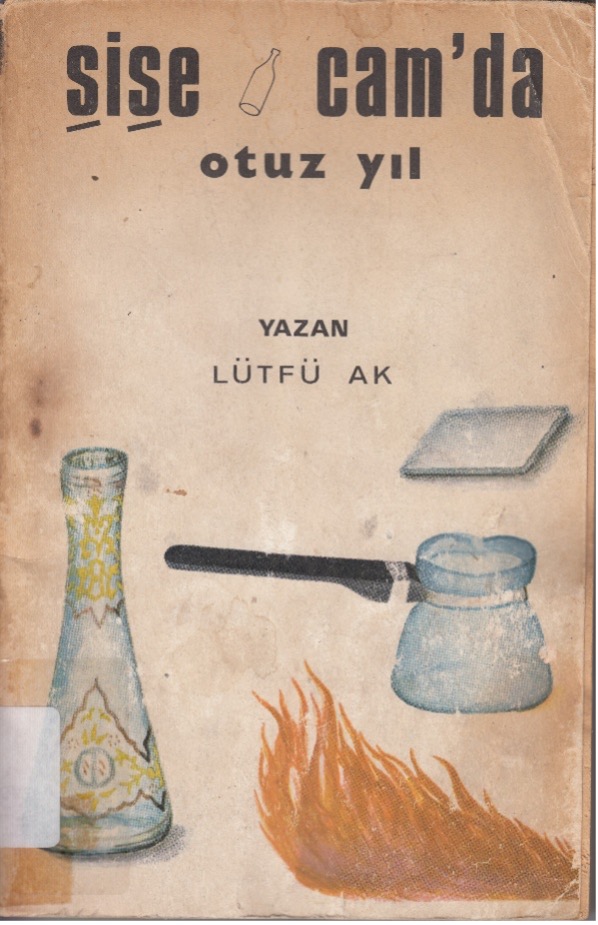
The demand for labor created by the factory soon set off a large wave of worker migration from the Black Sea region to Paşabahçe. Looking for a place to live while they worked, the workers built their first gecekondu (informal houses) on the slopes rising right on the edge of the factory, such as Gümüşsuyu, Çiğdem, Soğuksu and Sultaniye. In addition to the gecekondus, from the 1950s onward the workers organized and founded the Gümüşsuyu Şişecam Workers’ Building Cooperative, building planned houses that would shape the architectural character of the neighborhood. By the 1970s, when Şişecam began outsourcing work such as decoration, ornamentation and packaging, glass production spilled beyond the factory walls, turning Paşabahçe into a distinctive glass neighborhood with, as it were, “a decoration workshop beneath every house.” In parallel with this socio-spatial impact and the already growing labor struggle, the Paşabahçe Workers’ Insurance Hospital, which also served the local population, began operating in the neighborhood in 1962.
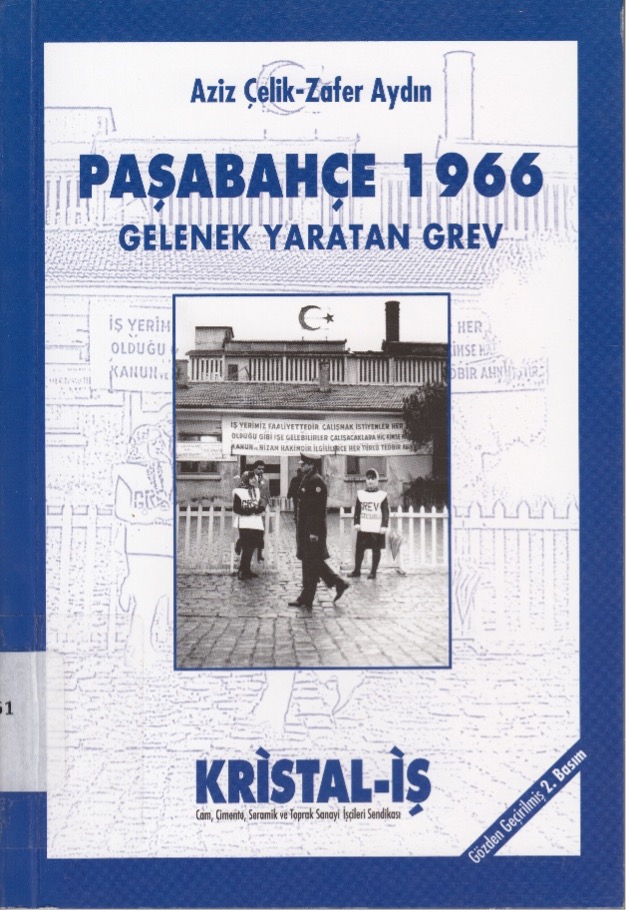
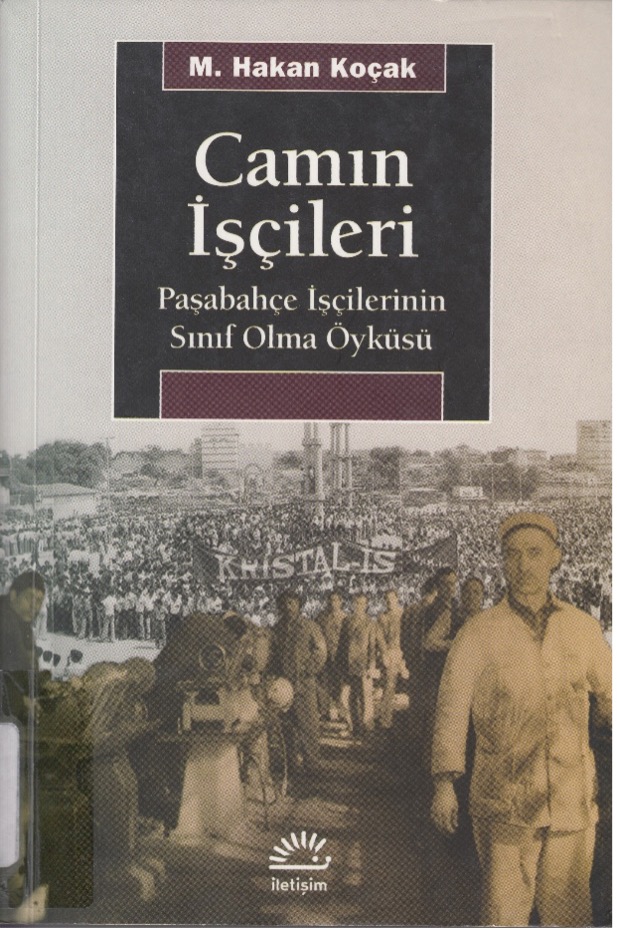
At the same time, the Paşabahçe Şişecam Factory also became one of the strongest arenas of struggle in the history of labor in Türkiye. Unionization, which began in 1947 with Cam-İş, continued after the strike law of 1963 with the Kristal-İş Union, founded in 1965 under the leadership of technical workers. The union took a mass stand against low wages and harsh management at the factory. When collective bargaining talks stalled and failed to reach a conclusion, the workers stopped production at 05.00 on the morning of January 31, 1966, and went on strike. The strike soon spread beyond the factory gates, turning into a massive “neighborhood strike” embraced by workers’ families, women, children and local shopkeepers. Inscribed into literature through works such as poet Fazıl Hüsnü Dağlarca’s Paşabahçe Destanı (The Epic of Paşabahçe), and into the memory of the whole neighborhood through the testimonies of its people, this resistance sent ripples through the entire sector. When production stopped at Şişecam, the Paşabahçe Tekel Factory could no longer meet its need for rakı bottles and turned to the small glass workshops in the neighboring district of Çubuklu. This crisis also gave glassmaking in Çubuklu a major boost. Lasting a full 83 days with the strong support of opposition unions, this struggle gave the workers and the neighborhood a powerful class consciousness, and it influenced and accelerated the process that led to the founding of DİSK in 1967 [5].
Carrying on this great legacy of struggle with the strikes of 1971, 1980, 1991 and 2001, Şişecam became, from the 1980s onward, a target of the building and land-use restrictions introduced by the Bosphorus Law, of rising costs and of deindustrialization policies. In 1993, the traditional handmade glass (goble) department, the symbol of the factory, was moved to Denizli. When the last units engaged in automatic production also ceased operations in 2002, Paşabahçe’s 67 years of factory production came to an end, and with it nearly 200 years of glass production and glass production culture that had defined Beykoz’s identity since the beginning of the 19th century.
Images and publications can be consulted at the Kundura Hafıza Archive and Research Center Library and the Kundura Hafıza Archive. To submit a research request, click here.
Elif Türker (Kundura Hafıza Archive and Operations Assistant)
Bibliography
[1]
Koçak, M. H. (2009). Paşabahçe semtinde işçi sınıfının oluşumu cam işçi hareketinin gelişimi ve yönelimleri (Thesis No. 239951) [Doctoral dissertation, Marmara University]. YÖK National Thesis Center.
[2]
Ceylan, H., et al. (2025). Beykoz’da sanayi ve emek coğrafyasının dönüşümü: Mekân, emek ve zamanın dinamik etkileşimi. mimar.ist, (83), 59–72.
[3]
Kuştemir, S. K., & Oktik, N. Osmanlı’nın son dönemi’nde sanayileşme ve modernleşme: Beykoz örneği.
[4]
Göktürk, H. (1966). Çubuklu gazoz fabrikası. In R. E. Koçu (Ed.), İstanbul Ansiklopedisi (Vol. 8, p. 4147). Koçu Yayınları.
https://istanbulansiklopedisi.org/handle/rek/12135
[5]
Çelik, A., & Aydın, Z. (2008). Paşabahçe 1966: Gelenek yaratan grev (2nd ed.). Kristal-İş Sendikası Yayınları.
Ak, L. (1975). Şişecam’da 30 yıl. Nurdoğan Matbaası.
Koçak, H. (2014). Camın işçileri. İletişim Yayınları.
Kurt, M., Kuzucu, K., Çakır, B., & Demir, K. (2016). 19. Yüzyılda Osmanlı sanayileşmesi sürecinde kurulan devlet fabrikaları: Bir envanter çalışması. OTAM Ankara Üniversitesi Osmanlı Tarihi Araştırma ve Uygulama Merkezi Dergisi, (40), 245-278. https://izlik.org/JA96DB28XF
Küçükerman, Ö. (2002). 200 yıllık Boğaziçi camcılık mirası içinde Beykoz camları. Türkiye Şişe ve Cam Fabrikaları A.Ş.