03 April 2026
We talked with Ayşe Tütüncü about the silent cinema experience that is created anew at every screening with live music, the bond between music and film, and what Beykoz Kundura brings to this encounter.
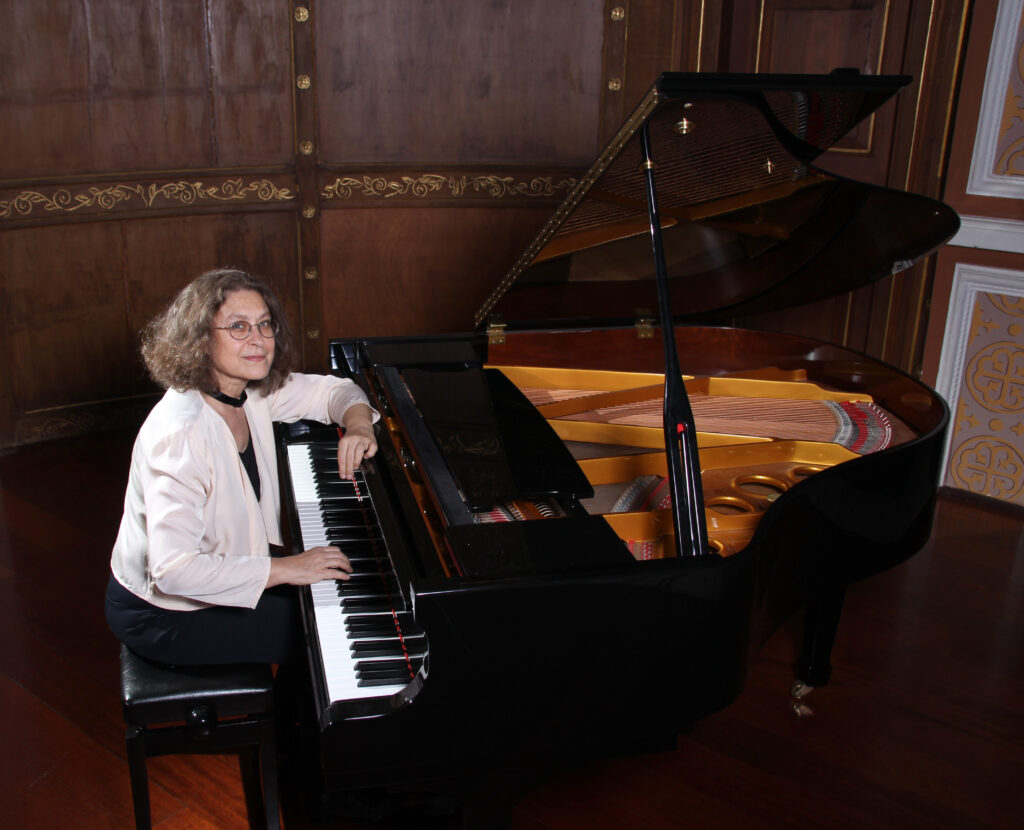
When silent cinema meets music, it becomes a live experience created anew at every screening. Shared with audiences at Beykoz Kundura, this experience builds a different narrative each time through music made in the moment. With pianist and composer Ayşe Tütüncü, we talked about more than accompanying silent films: the unique relationship formed on stage, the bond between music and film, and what the venue brings to this experience. Having accompanied silent films on the piano for many years, Tütüncü reshapes this special encounter with every performance. Ahead of the silent film screening of Spanish Dancer at Beykoz Kundura on April 11, we asked her about music and the narrative world of silent cinema.
Your music brings together Western classical music, jazz and the various musical traditions of Anatolia. How do these different worlds relate to one another in your practice? Is it more intuitive, or the result of a conscious search?
To bring different kinds of music, and the different musical universes they belong to, together beautifully, you need both of the faculties you mention. Seeing what can meet and how things can merge is more the realm of intuition. Being able to do the craftsmanship that makes this happen well, on the other hand, comes from the knowledge you have on the subject and your previous experience.
You have a very wide field of work, ranging from your albums to theater music, and from workshops to silent film performances. What is the core motivation that guides you as you move between these different forms of production?
My albums show how the music I make has progressed and evolved throughout my life, and they allow it to endure in the world. Theater music is a very creative way of contributing, through the language and possibilities of music, to plays in which social issues are explored and worked through. Workshops are a wonderful way for me to pass on the wide range of experience I have gained in music to young people, or to anyone of any age who wants to engage with music. Playing for silent films is a profound way of connecting with the people in the film, who lived and felt the world in another time and in another kind of society, and of conveying this to the film’s audience as I play. I think the common denominator of the motivation behind all these forms of production is communicating with the people in front of you, creativity and transmission.
You have been providing live musical accompaniment for silent films for a long time. How do you begin to think about music while watching a silent film? What is your first reflex?
When I first watch a film, an emotion doesn’t awaken in me right away, because it isn’t easy to enter that film’s world straight away and leap back all those years. Only when a scene in a film stirs an emotion in me does a musical theme come to my mind, to my hands. That is when I slowly begin to feel what, to me, is the essential emotion of the film.
What kind of musical approach did you develop for the 1923 film Spanish Dancer? What rhythm, atmosphere or emotional world does the film evoke in you?
The film is set in Spain in the 1600s, in a world entirely different from ours today. Leaving aside the digital developments of our own age, the world back then had no telephones, trains, cars, planes and so on yet; the roads were made of cobblestones… In the film we see the Spanish Royal Palace, the Roma who lived in that land, soldiers marching in step, dancers, a duel, a carnival day, horsemen approaching at speed, a couple embracing in love and much more. The film’s music has to give sound and voice to all of these; while it essentially moves forward in the language of Western classical music and jazz, depending on what is happening on screen it will also incorporate Spanish court music, Spanish Roma music and a variety of music suited to different situations.
You have accompanied silent films at Beykoz Kundura before. How does the coming together of cinema and music in an industrial heritage site affect your performance and your relationship with the audience?
The space at Beykoz Kundura where the cinema hall is located already reminds me strongly of the film industry, and this puts you all the more in the mood right before you start playing for a silent film.
How would you describe this experience to audiences who will encounter silent cinema for the first time at Beykoz Kundura?
When you break away from the crowds of a big city like Istanbul and come to Beykoz, you are amazed by the beauty of the nature on the Beykoz Kundura grounds, your metabolism calms down, and then when you enter the hall and start watching a silent film, you pass into an entirely different time; in short, as a result of these two, your world has changed both its place and its time, and I think that is a truly lovely experience.
Spanish Dancer, with a live performance by Ayşe Tütüncü,
will be screened on Saturday, April 11, at 17.00 at Beykoz Kundura.
Interview by: Zeynep Özbakış, Beykoz Kundura