10 December 2025
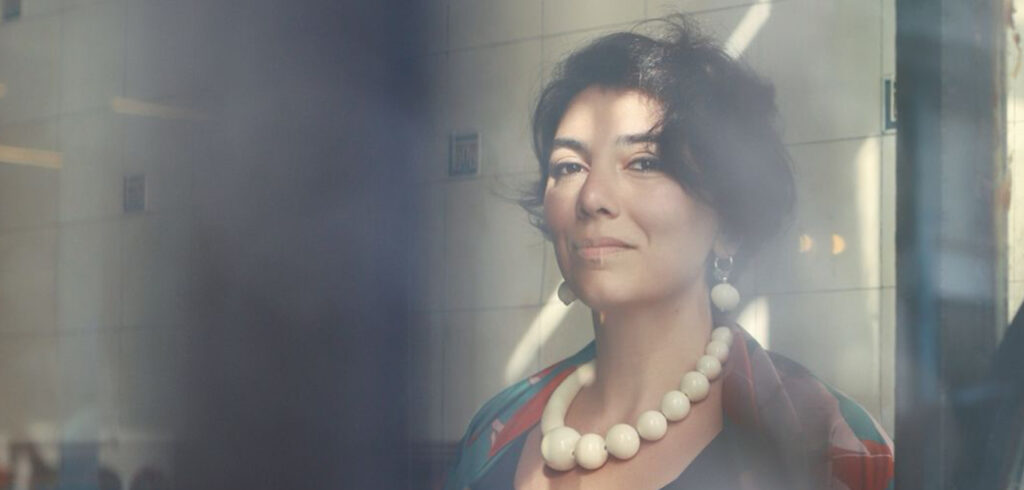
S. Buse Yıldırım, Beykoz Kundura’s Director of Arts and Culture, is weaving a “living network of relationships” that stretches from oral history and archives to creative pedagogies, and from documentary art to stage practices. We talked with S. Buse Yıldırım about her participatory approach that carries memory beyond the archive, the research-based ecosystem she has built through Kundura DocLab and the cinema and stage programs, the archive library opening soon, and accessibility strategies
S. Buse Yıldırım is the name behind the cultural identity that Beykoz Kundura has today. Three years ago, in a long interview we also did for Art Unlimited, we talked about the oral history work that documented the social life of the factory. Today, with her at the helm of the Kundura Hafıza Archive and Research Center, we talk about how the learning programs, workshops and research practices focusing on both the aesthetic and the political layers of social memory have developed.
In S. Buse Yıldırım’s approach, “memory” is less a static concept than a living ecosystem, reproduced through participatory methods and made plural through collective narratives. Within the framework Buse has built, Beykoz Kundura is a cultural policy laboratory where research, archives, documentary art and stage practices intersect. Kundura DocLab functions as a creative camp bringing together international artists, while Kundura Sahne hosts interdisciplinary productions. The archive library opening soon and new access-focused projects are further links in this vision.
S. Buse Yıldırım, who pursues her own productions under the banner of Lita Yapımevi, is preparing new memory-based projects, building a multilayered world of production that ranges from migration experiences along the Berlin–Istanbul axis to her documentary titled Meramet and international co-productions. When Kundura Sinema’s curatorial line, which draws on the memory of place, comes together with rituals such as the program for Sümerbank’s 92nd anniversary, the result is a cultural practice that not only makes the past visible but also helps shape the future.
In this interview, we hear about Kundura’s evolving vision from its founder.
Three years ago, we did an in-depth interview about Beykoz Kundura’s transformation process. In that conversation, you mentioned that your oral history work at Kundura Hafıza focused on understanding the social life of the factory. Today, at the Kundura Hafıza Archive and Research Center, you run multilayered learning programs aimed at raising awareness of cultural heritage. As you yourself often emphasize, creating a site of memory doesn’t simply mean physical preservation. It is a process that also encompasses relationships with social memory, forms of representation, and the aesthetic and political dimensions of loss. As you know, in the definition of the French historian Pierre Nora, sites of memory are “places where collective memory is emotionally and symbolically anchored.” In fact, this could be a building, a monument, a square or a ritual. Seen from this perspective, how is this process unfolding for you? Which decisions have guided you from the beginning until today, and what direction are you heading in?
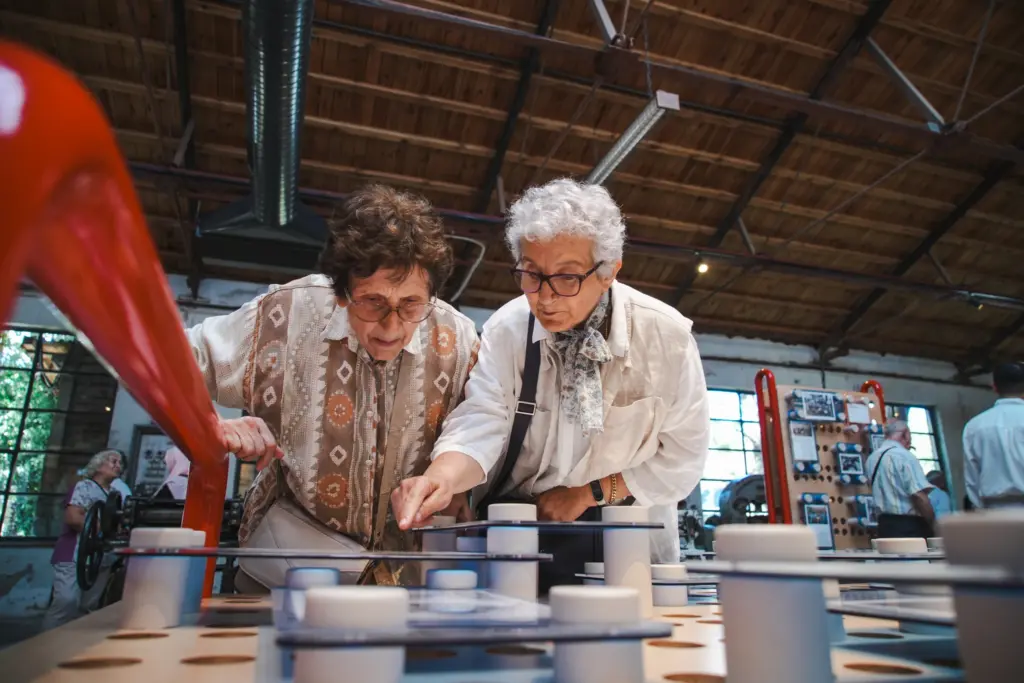
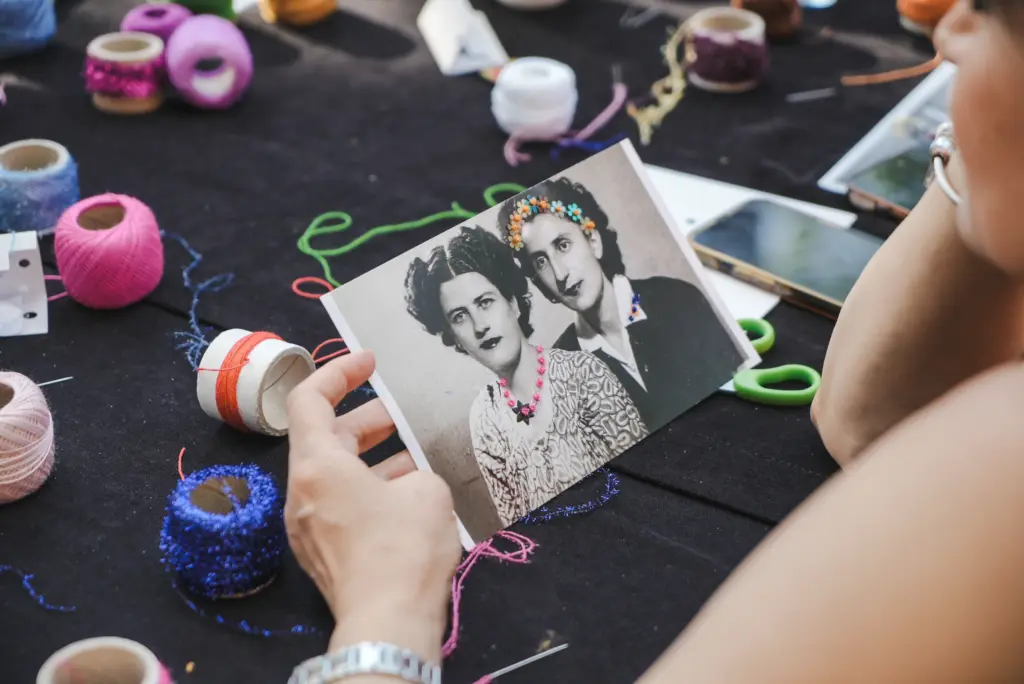
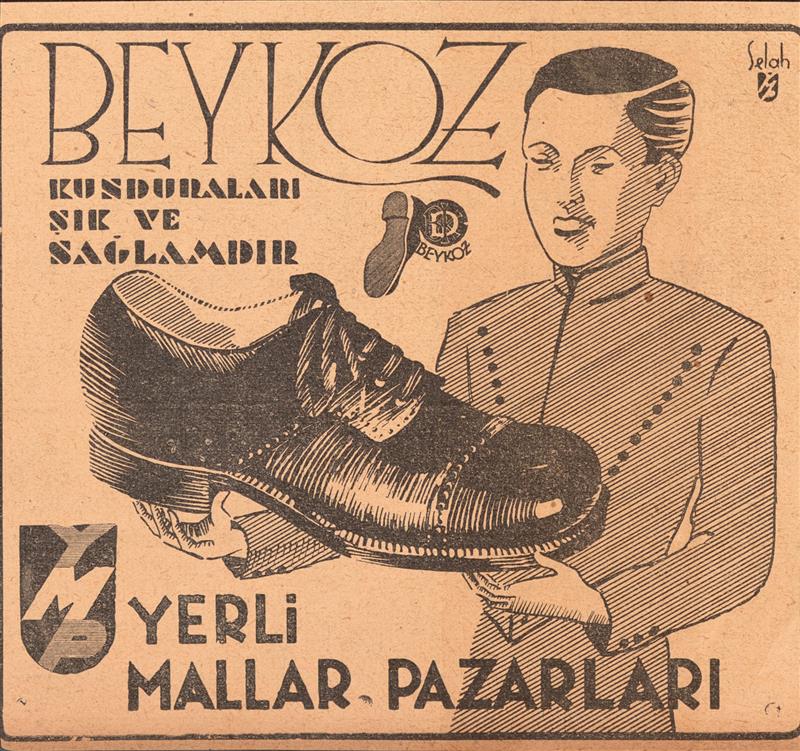
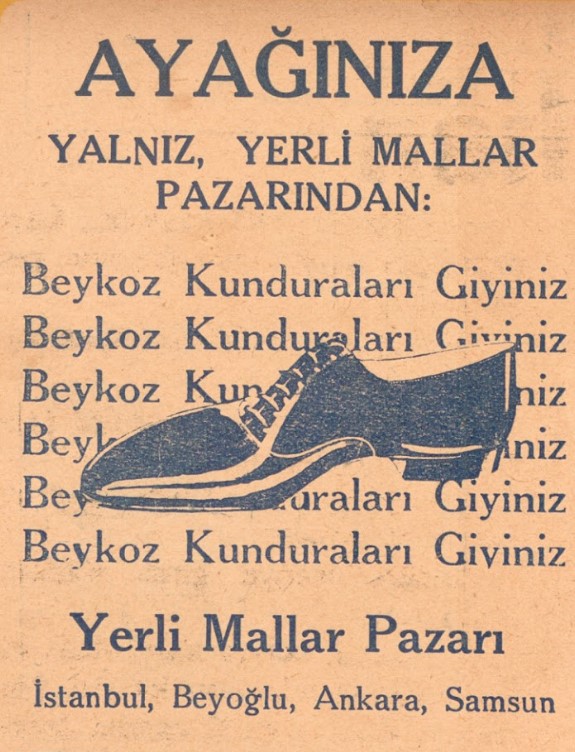
It’s very meaningful that you refer to Nora; I don’t think there is anyone working in the field of memory whose path hasn’t crossed with his. Of course, many theoretical approaches in memory studies have inspired me on this journey. In fact, during my university years at Goldsmiths I took a course called The Sites of Memory (Hafıza Alanları). Its readings and notes are still a source I sometimes go back to and draw on. Recently, while working to turn the concepts of “memory and archive” into educational and creative tools in addition to the Kundura Hafıza learning programs, I returned to a project I did as a student: a methodology of memory practices that we developed, one of the workshops we first began implementing in the Yerli Malı Yurdun Malı (Domestic Goods Are the Nation’s Goods) Program: Saatli Maarif Takvimi.
What matters to us is discovering how inclusive and participatory the structure can be while institutionalizing collective memory. In this regard, I believe in a process without a clear beginning or end, but one that is dynamic and transformative. After all, memory is by nature an organic and flexible structure. I believe we can deepen the emotional layers of the collective memory of places not only through tangible elements of memory but also through intangible narratives.
In fact, we are building a mechanism of thought constructed by a whole of meanings and values. For this reason, I believe we need to deepen the structure through participatory methods and design connective, transformative processes through community practice. I think a place should first prioritize constructing its self-awareness and identity, and then seek different methods as it develops the community it has formed. Kundura built its identity by drawing on its memory. Now it is moving toward a holistic cultural policy that encompasses this memory. Beyond merely meeting the expectations of artistic disciplines as a “venue,” we aim to evolve into a cultural policy and curatorial structure that places at its center what is produced within the scope of Kundura Hafıza Archive and Research.
The workshop, research and production program you run under the name Kundura DocLab aims to build a bridge between documentary theater, creative documentary cinema and research-based art practice. You offer an interdisciplinary space of production for artists who question the boundaries between stage and document, narrative and archive, memory and fiction. Having expanded since 2023 with international participants and advisors, the program has increasingly gained a distinctive identity as a platform. What was produced within DocLab in 2025? How has this ecosystem evolved?
Lately I have been thinking a lot about this question of the “ecosystem.” Because here we are not only building the cultural identity of a place; at the same time, we are experiencing many encounters on both an individual and a social level, and rediscovering ourselves as well. Especially through the work of Kundura DocLab and Kundura Hafıza, I have come to realize how much I actually love building an ecosystem. Bringing together interrelated components with different functions to form a sustainable, productive and mutually nourishing whole, building relational networks and enabling them to nourish one another in a process-oriented way, is very precious to me. I take great pleasure in constructing both narratives and structures through interdisciplinary methods. This is not limited to producing content; it is about designing cyclical processes that create interaction and place participation and co-creation at the center. In this way, what takes shape is a “living network of relationships” that creates not only production but also a sense of belonging and togetherness.
This year we launched the KunduraLab projects; although the program content on the KunduraLab platform is diversified through different initiatives, we have concentrated our focus on Kundura DocLab, particularly around documentary art. You could call it a project-based development program that brings together documentary artists working in a research-oriented way in the fields of film and performance. Attracting applications from many artists from the wider region beyond Türkiye, this program shows us again and again that Istanbul can be a creative meeting point and a center of attraction. This year we held its third edition, and it is an indescribable joy to witness the program’s structure take root a little more each year, and an international community of artists embracing Kundura’s research-oriented approach to arts and culture begin to blossom.
Ah, to get back to your question: What was produced this year? Dialogue.
The participants first entered into a dialogue with themselves—sometimes anew, sometimes for the first time. They began by placing themselves at the center. Then with their surroundings, with one another, with other worlds… And within this developing dialogue, this polyphony, new narratives and possibilities were discovered. I think that is what this year was most about. This reflects me and Kundura exactly; rather than being a singular authority, we care about building a pluralistic environment through shared memories and shared creations.
What path do you follow in pursuit of your goals of developing methodological tools for artists working with archives and memory, exploring what the documentary form means on stage, and creating new forms of expression with the performing arts?
In our general arts and culture program, we are in fact building a space that brings together different forms of expression for artists working with archives and memory. At Doclab, meanwhile, we bring participants together through documentary methods ranging from storytelling to ethnographic research, and from theater pedagogy to cultural performance. In this program, it becomes possible not only to tell stories with the tools of one’s own field of expertise, but also to transform those tools and create new forms of expression. It is this transformation that excites us most. In a sense, we are setting up a creative camp within documentary art, and this camp transforms creativity through pedagogical methods. In both cinema and theater, we explore a story not only through its content but also through dimensions such as its bodily expression, its perception of time and its relationship with space.
Also, how would you define the role DocLab plays in terms of producing an independent and experimental language coming out of Türkiye? Where is this journey heading, and what is on your mind these days?
In Türkiye, experimental approaches in documentary cinema have only recently begun to gain visibility. For theater, however—especially when it comes to works that intersect with documentary forms—we can still speak of quite limited production. Although Kundura DocLab mostly appeals to more experienced participants, I observe that younger generations may well become pioneers, especially in the contemporary performing arts, in the years ahead.
In a way, DocLab’s journey is like Kundura’s… and even a little like mine. It knows its own rhythm and values the process itself; it moves forward with those who can read and understand its vision, with those who listen to themselves and are curious. Those who can see it walk alongside it. And this turns DocLab from merely a program into a living practice.
To date, Kundura Sahne has hosted multilayered stage works that bring together different disciplines and engage with space and memory. Productions such as Rimini Protokoll’s Remote Istanbul project, which moves the audience through the fabric of the city, are one example of this approach. In line with concepts such as the memory of a place, the spectator experience and social belonging, what programming policy do you follow when selecting a production for Kundura Sahne? What kinds of productions become meaningful for you on this stage?
Even while Kundura Sahne was still being restored, we were conducting serious research into our curatorial approach. At its heart was always the aim of creating an environment that encourages rethinking the elements that make up the performing arts and generating questions about the relationships between these components. The Remote İstanbul production we staged with the Rimini Protokoll team, who have always been on my radar for their approach to documentary art, was a fine example of this. (Especially considering how deeply artificial intelligence has permeated our daily lives today, it becomes even clearer what a visionary project it was.) During the pandemic, for a newly opened stage located outside the city center and running counter to the habits of arts and culture audiences, it was the most fitting work to convey what we were about. It was a production that opened up our relationship with space and the city, and the rhythm of everyday life, to rethinking. Of course, communicating this work was not easy. The fact that it was staged in Türkiye for the first time eight years after its original premiere showed us once again how much long-term effort it takes to build an institution that steps outside the conventional understanding of theater. Unfortunately, we are moving forward in baby steps…
When you circle around documentary art, quests arise that zigzag between particular concepts and themes. Even though your radar works very clearly, I don’t think I can be as daring as I was in the early days anymore. What I struggle with most is communicating these works: the question of how such avant-garde approaches and abstract narratives can be conveyed to the audience feels increasingly thorny and exhausting. The socioeconomic turbulence we are going through and the climate of hopelessness we are trying not to get used to are steadily narrowing the circle.
Still… I care about being a place that does not compromise on its own concerns and its own search. Our dreams may perhaps be different, but despite everything, Kundura will continue to be a home for interdisciplinary, research-oriented and original content. Although today it works like a story factory for many TV series and film productions at once, it is a place that hosts on its stage only works with which it shares a common vision, sometimes partners with these works, and brings its audience together with different worlds they could not encounter anywhere else.

In our previous meeting, the emphasis you placed in 2022 on “being of the world” offered a strong strategic framework for opening up from the local to the global. From this perspective, what stage has your goal of positioning Beykoz Kundura as a polyphonic, multilayered cultural center on the international stage reached today? What new collaborations or steps on international platforms excite you?
As an industrial cultural heritage site preserved through adaptive reuse, Beykoz Kundura has had the opportunity to tell its story at many international panels and conferences. To be honest, there have been times when we felt we were more appreciated abroad than at home. The distance between dreams and reality can be wearing at times, and facing this gap is not easy—but the emphasis on “being of the world” that I voiced in 2022 was born of exactly this process. It took shape as I reflected on how a place builds its self-awareness, how, knowing itself, it can make sense of the world, and how, drawing on its locality, it can evolve into an independent and polyphonic cultural space. And remaining “yourself” as a cultural institution is a truly difficult path. In today’s cultural environment, among institutions that sustain themselves with copy-and-paste policies, in the backyard of a corporate world that keeps sponsors happy, with programs that are shiny on the surface but lack depth, and with high-profile advertising campaigns, staying true to your own voice is a big decision.
In this process, striking the balance between compromising and not compromising yourself, without neglecting to adapt to change, requires great sensitivity. Sustainability is becoming more difficult every day in the current economic and sociocultural context. Sometimes understanding what to hold on to and what you can let go of—and being able to decide this with courage—can take longer than you think. While trying to be of the world, confronting the struggle of existing in this world together with the reality of local dynamics often comes with loneliness, burden and resistance.
Despite all this, our program policy has become more established over time. We have moved from a structure that shared with its audience its wanderings through certain fields to an approach that returns to its essence, one that listens to and develops the community it has built and places its own memory at the center. Within this framework, there are international collaborations we have carried out in the past and plan to continue. The Istanbul CineCollective project, which we launched with the support of the Institut Français, is one of them. As every year, we are also developing new works in the field of interdisciplinary documentary theater. We have various international works, one of which is Manuela Infante’s new piece Vampyr—which we are co-producing. We are currently in talks about a new Belgium-based project, which we also envision as an international co-production. We hope to create a more essential, higher-quality space of experience and, in this process, to continue on our way without straying from the state of “being of the world.”
At the same time, through Lita Yapımevi, which you founded, you bring various productions to life in both cinema and theater. With Ghostly, you produced an ethnographic film focusing on migration experiences along the Berlin–Istanbul axis; on the other hand, you co-produced the documentary Mimaroğlu: The Robinson of Manhattan Island. What kind of interaction do you observe between your own productions and your curatorial work?
Lita was the first creative venture I undertook when I returned to Türkiye for good in 2014. My intention was to establish a production company that could bring my own works, and those of artists I felt close to, to life in the context of creative producing. Over time, it became a structure intertwined with Beykoz Kundura. However, building both a venue and an institution while also forming my own identity as an artist was not an easy journey for a young woman of 26.
Looking back today, I see Lita as a production house that, beyond the sets Kundura hosts in its role as a “story factory,” takes on the production of film, TV series and theater projects in keeping with its own spirit and vision. I intend to bring the local productions we feature at Kundura Sahne together under the Lita banner. So far, we have had experience with four productions on stage. During the processes of these productions, there were moments when we struggled considerably because our working culture did not align with theater production practices in Türkiye. We had started out in theater production with great enthusiasm, but I want to believe that these experiences, which for various reasons brought disappointment and heartbreak, will turn into valuable lessons that will make Lita and Kundura much stronger in the future.
What kinds of projects can we expect from Lita Yapımevi in the coming period?
Every new experience creates different focal points. In this process, I realized how much I had neglected my own creative world and talents. We are working to bring to fruition a new research project that I have long kept in a corner of my daily life. It’s called Meramet… Of course, I am once again in pursuit of patterns of memory. I care about it evolving not only into a documentary film but also into a social project with a social cycle of its own. The project design is being mentored by Nazlı Çevik Azazi of the Seiba Narrative Center (Seiba Anlatı Merkezi), while the field research continues in collaboration with Vuslat Karan and Burcu Melekoğlu of Moxie Film.
Under the Lita banner, we are also working on a new TV series project. In addition, there are documentary film projects from different countries that we are discussing and that move us. With Heimatlos Film, we are also designing various projects aimed at developing documentary art in Türkiye.
Kundura Sinema defines its screenings as “a viewing experience designed so that the venue itself is experienced.” In particular, your programs of restored silent films and your approach of associating them with special dates such as UNESCO’s World Day for Audiovisual Heritage invite the audience to touch the history of the venue through cinema. What kind of relationship with the memory of the venue does this curatorial approach aim for the viewer to form?
When we opened Kundura Sinema in 2018, we deliberately timed the first screening to coincide with UNESCO’s World Day for Audiovisual Heritage. In this way, we wanted to underline that both the venue itself and cinema are cultural heritage.
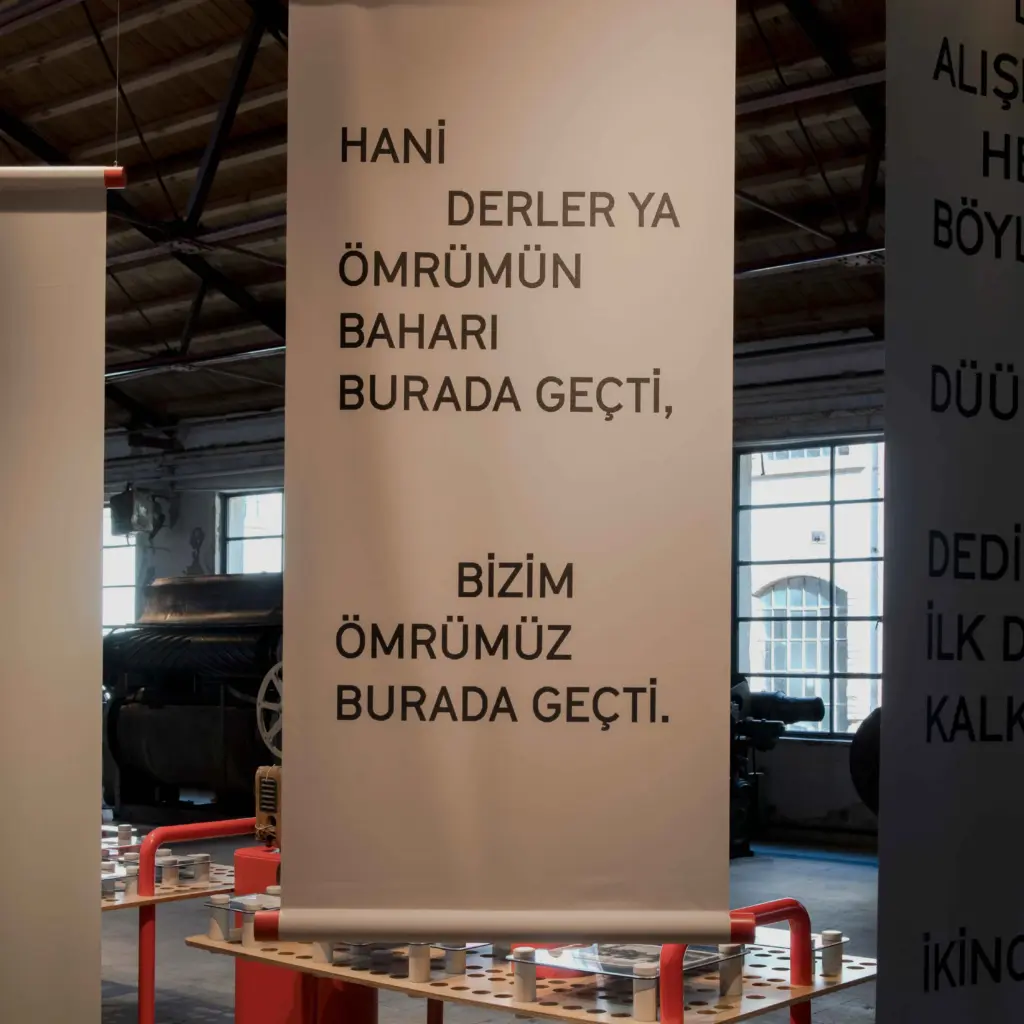
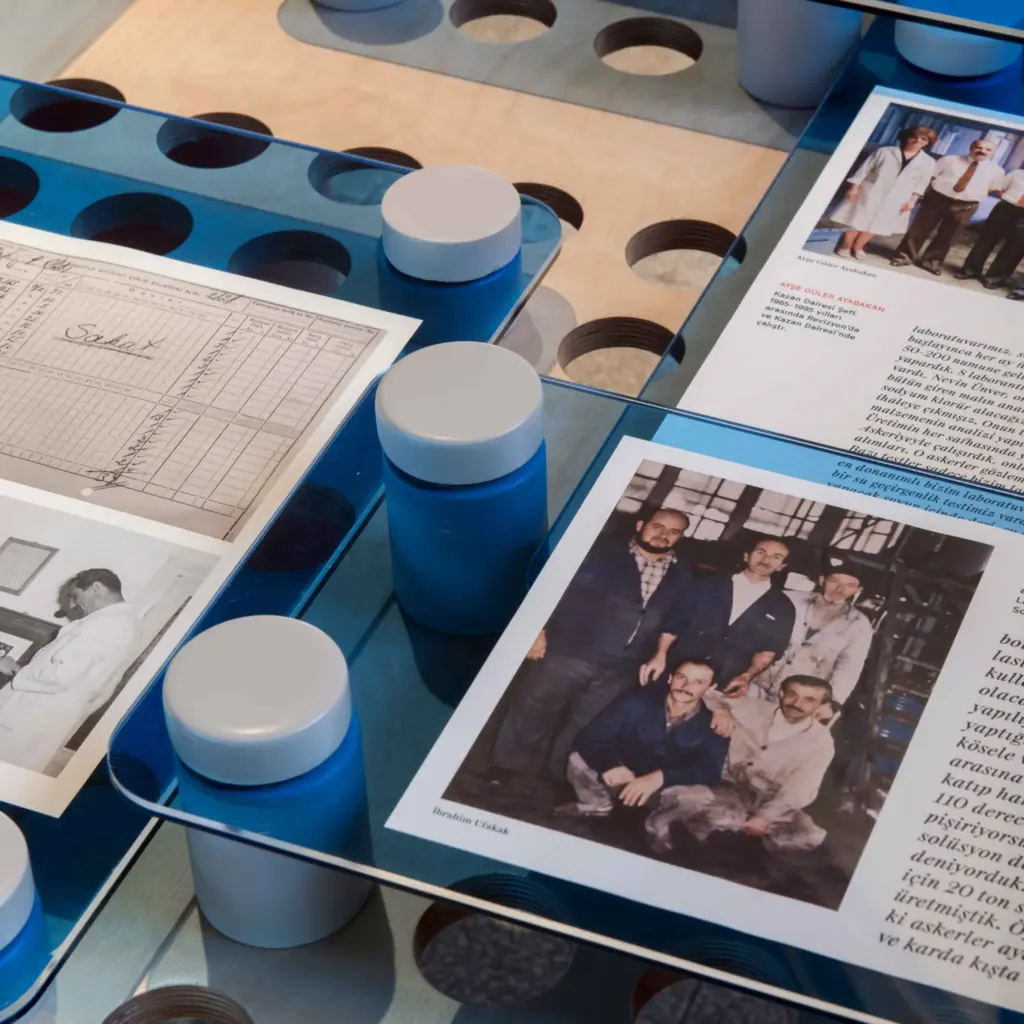
One of the reasons we design classic film programs is the connection we have made with the films shown at the factory’s own cinema. Back then, of course, these were the new releases of the day, but we carry this tradition into the present through restored classic films. In the oral history interviews that form the foundation of Kundura Hafıza, we always used to ask: Which films did you watch? Who did you meet up with? What did you eat and drink? What was the atmosphere like? That is why, in a restored cultural heritage site, we both refresh (almost restore) our own memory and build a bridge between past and present by watching restored classic films.
This approach has now become the backbone of our film curation. As Hafıza has developed as a narrative center and archive, our programs have gained a framework that is spare, high-quality and thematically deepening, while also giving a nod to contemporary documentary films. Knowing that this approach has now been embraced, we will take it one step further: we will also include film selections on the themes of archives and memory that make us think and open up discussion. Because our aim is for the audience not just to watch a film, but to feel that the seat they sit in, the venue they are in, and even the story they see on the screen are carriers of memory. In this way, every screening becomes not just a viewing experience but a personal bond with the memory of the place.
In what ways do you plan to develop, deepen or transform this spatial-cinematic experience in the coming period?
It’s a fact: our experience of watching films in the cinema is changing. Especially since the pandemic, it has taken on an entirely different form. While cinema ticket sales have dropped significantly worldwide, this year Türkiye saw its lowest seat occupancy rate in the last 20 years. In such an environment, rethinking the spatial-cinematic experience is now a strategic necessity. Keeping up with changing audience dynamics is very important, especially at a time when technology has advanced so much and storytelling formats are evolving rapidly. However, current conditions in Türkiye make this process of adaptation even more multidimensional.
Beyond being a boutique repertory cinema that brings special curations to audiences at certain times of the year, we at Beykoz Kundura are in the process of creating a “cultural space”—and an open-ended one at that, a process that will never be finished. It is very important to us that the venue forms a whole with its surroundings, its community, its memory and its program. As we develop the spatial-cinematic experience in the coming period, our aim is to preserve this wholeness and present each screening not merely as a moment of watching a film but as a holistic experience connected with the memory of the place.
Over the past period, you have brought a wide variety of programs and events to life. While your access-focused activities have drawn particular attention, you have also touched on questions of accessibility and sustainability. In this regard, are you considering developing a more holistic accessibility strategy for both the physical venue and digital platforms?
At Beykoz Kundura, we see access not merely as a technical standard but as a matter of cultural policy. The library of Kundura Hafıza Archive and Research is opening soon, and we are also working on providing digital access to part of its archive. At the same time, we design physical and online public programs that are free of charge and open to all, raising public awareness of industrial cultural heritage. In addition to producing content specifically for hearing-impaired people, we have created a structure that focuses on children and young people and maintains a balance between paid and free events.
In short, opening up channels through which everyone can connect with a site of memory is a priority for us. Of course, it is hard to predict today how sustainable this will be without sponsors; but we are committed to maintaining this inclusiveness by pushing the limits. Because cultural heritage can only be a living space with the participation of all segments of society.
Our vision is to stand apart from an understanding that reduces the concept of “corporate sustainability” to reports that look like little more than LinkedIn performances, and that treats the arts and culture field as the backyard of corporate diplomacy. Kundura is a structure with culture at its center; it not only hosts its audiences and visitors but also encourages them to become a living part of that memory.
Finally, as part of your work to bring Sümerbank’s memory into the public sphere, you prepared a special program for Sümerbank’s 92nd founding anniversary on July 11–12, 2025. Consisting of guided exhibition tours, meetings with factory retirees, archive visits and workshops, these events aim to bring memory together with today’s social fabric. Your view that such rituals can nurture a sense of social belonging in memory work is striking. When designing this anniversary program, what did you primarily want to bring into the public sphere and make visible?
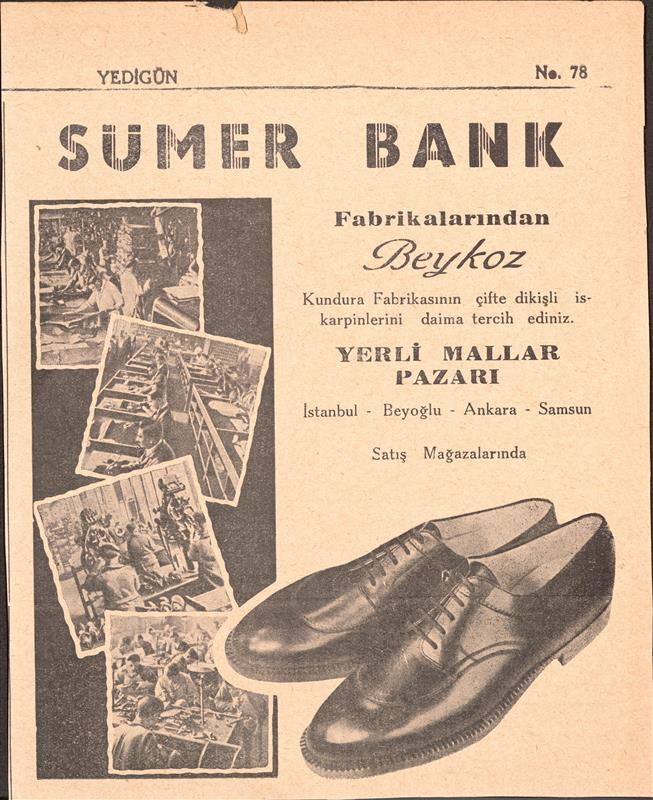
This year we celebrated Sümerbank’s founding anniversary for the second time, and for the first time we designed such a comprehensive program for this special day, one that allowed participants to spend the entire day at Kundura. We created a production-based program that nurtures a collective spirit, ranging from cooking workshops inspired by recipes in old Sümerbank magazines to workshops focusing on leathercraft. To strengthen intergenerational transmission, we organized exhibition tours guided by factory retirees, and held the finale of our memory walks at the factory’s former daycare center. There, sharing muhallebi (milk pudding), one of the dishes most often cooked at the daycare center, we listened in its garden to the memories of guests who had spent their childhoods in this very place.
Seeing both longing and solidarity in the struggle for rights side by side in these gatherings showed us how powerful a ground for encounter participatory methods create in memory work. Yet we know that when carrying out memory work under the roof of an institution, placing nostalgia at the center is very risky; especially in the sociopolitical context we find ourselves in, nostalgia can sometimes feel like being trapped in a room closing into darkness. Instead, we must carry memory to a ground that moves us away from these feelings, one that makes us think, question and take action. At this point, the contribution that creative thinking and artistic practices offer to archiving and memory work becomes one of our most valuable tools.
Interview: Merve Akar Akgün
Unlimited