05 December 2025
Beyond preserving its historic industrial heritage, Beykoz Kundura stands out as a dynamic learning space that keeps cultural memory alive. Through multidisciplinary projects such as oral history workshops, teacher training, guiding programs, children’s and adult workshops, summer schools and artist collaborations, the Kundura Hafıza Archive and Research Center preserves cultural heritage and shares it with the public.
Putting experience, inquiry and creativity at the forefront, Kundura Hafıza’s Learning Programs reach a wide range of participants, from children and young people to teachers and cultural professionals. Under a variety of themes such as robotic coding, architecture, archiving and creative writing, the programs give participants the opportunity to discover the venue, question heritage and create their own memories.
Awareness of cultural heritage is spread through teacher training, exhibition visits and workshops carried out in parallel with the curriculum of the Ministry of National Education.
2025 was an exciting and inspiring year for Kundura Hafıza’s Learning and Public Programs. Participants of different ages and professions, from children and young people to adults and teachers, had the chance to discover cultural heritage by learning, experiencing and creating, while also developing their creativity and gaining new knowledge.
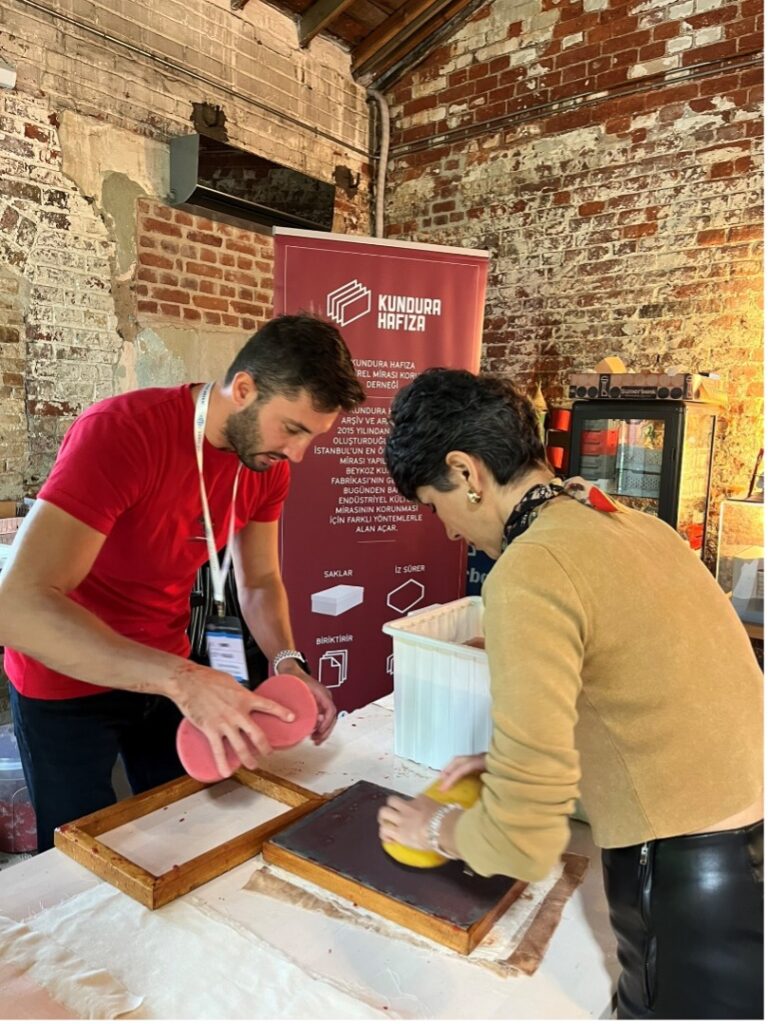
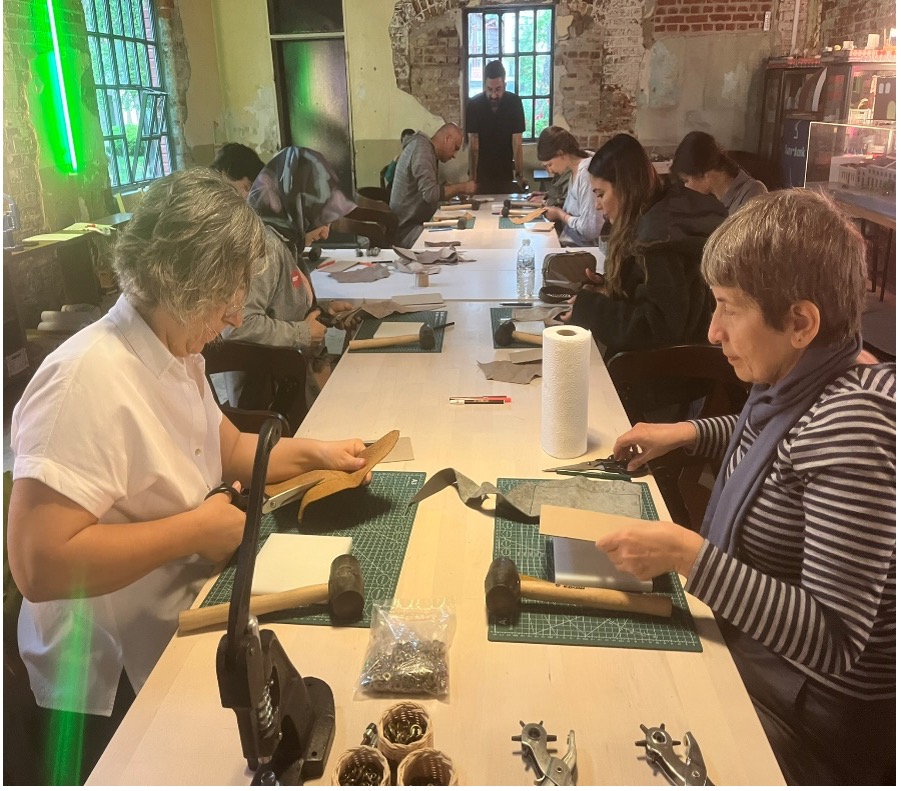
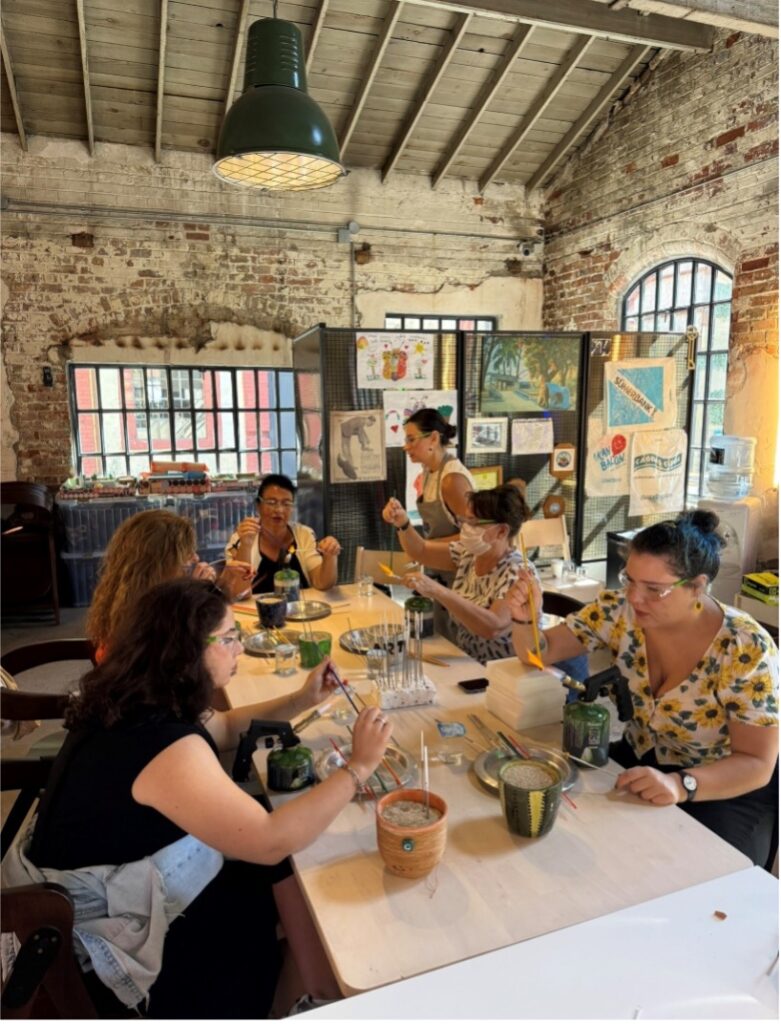
Kundura Hafıza’s adult workshops focused on experiencing different dimensions of cultural heritage. In these workshops, inspired by the industrial basin where Beykoz Kundura is located, participants both experienced historical production techniques and did hands-on work on preserving and sustaining cultural heritage through practices that carry traces of traditional trades, such as papermaking, leather wallet making and flame-worked glass bead making. Enriched by the use of the venue’s spaces, these industrial heritage–themed workshops enabled participants to learn and to produce creative work.
The Leather Wallet Design Workshop offered participants both craft practice and design experience, while the Embroidering Memory Workshop focused on connecting with the past through photographs and embroidery. In the Handmade Paper Workshop, participants had the opportunity to create their own paper using traditional production techniques. The Flame-Worked Glass Bead Workshop, meanwhile, offered an experience of creative work with glass.
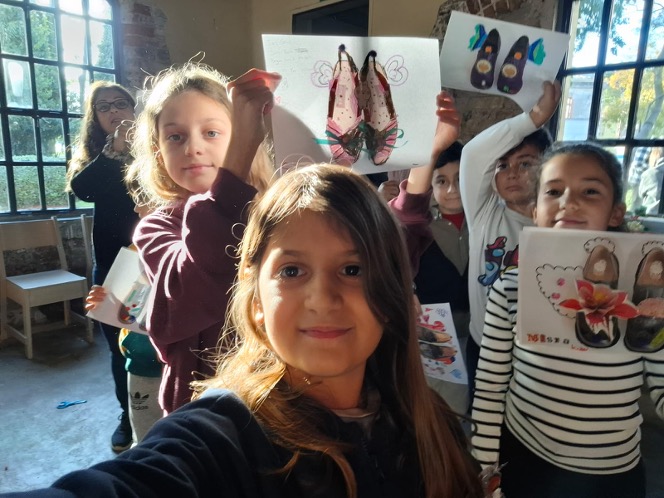
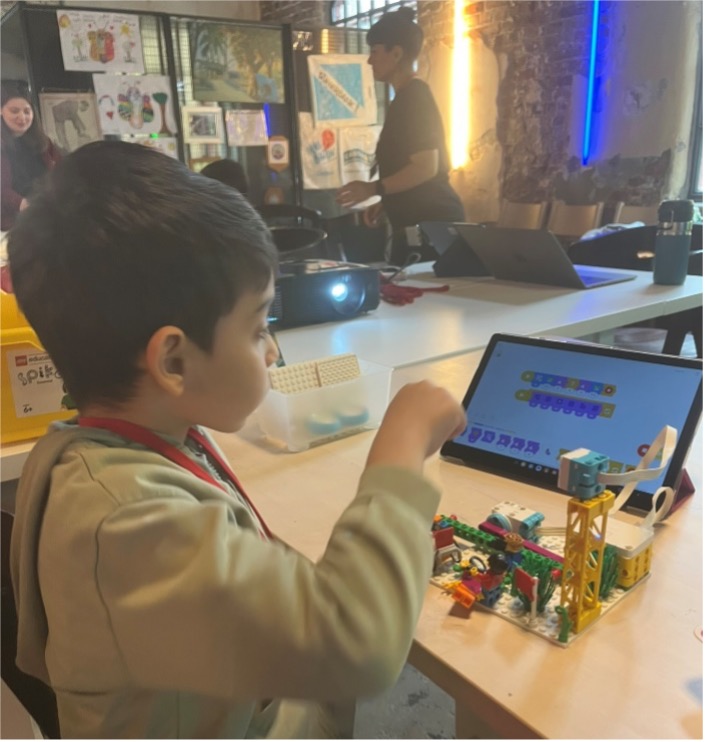
Workshops for children were held throughout the year on a variety of themes. Covering a range of methods such as robotic coding, collage, architecture, watercolor, illustration and creative drama, these workshops were offered free of charge. The hands-on workshops held for the April 23 National Sovereignty and Children’s Day and for Museums Week in May gave children the opportunity to develop their creative and critical thinking skills.
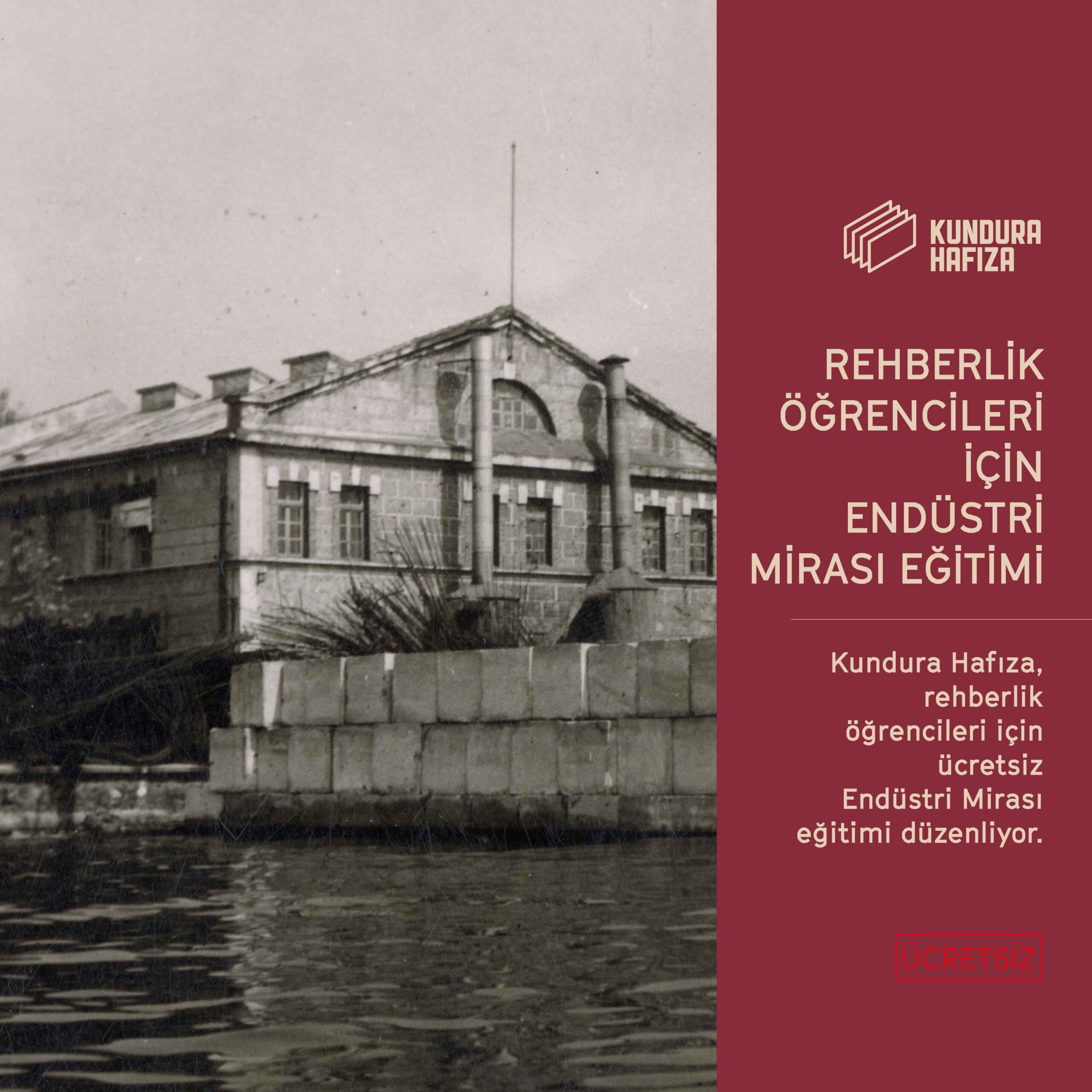
Held free of charge in January, the Kundura Hafıza Industrial Heritage Expert Guiding Program was designed especially for students of tourism, hospitality and tour guiding, to raise awareness about the preservation and promotion of industrial heritage. The program addressed the importance, preservation and presentation of industrial heritage in light of examples from around the world and from Türkiye. With contributions from Dr. Mehmet Saner, Gül Köksal and Assoc. Prof. Dr. Sedat Bornovalı, eight tour guiding students had the opportunity to gain in-depth knowledge about the historical, cultural and institutional dimensions of industrial heritage.
The program stood out as an important part of a vision that goes beyond merely documenting industrial heritage to bringing it to wider audiences through guiding. The updated program will open for participation again in January 2026.
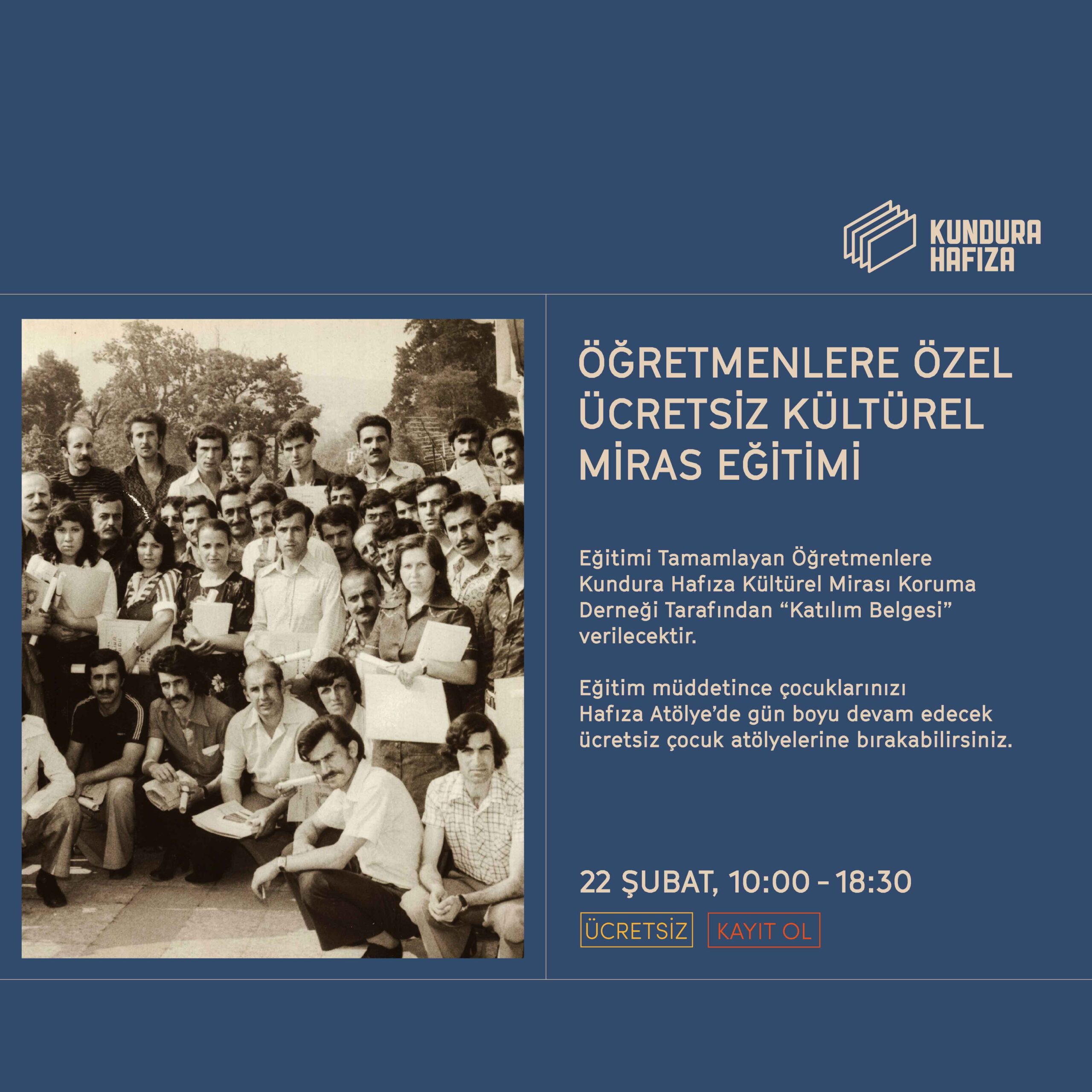
In February, the Cultural Heritage in My School Train-the-Trainer Program was successfully held. The program guided primary, middle and high school teachers on methods for developing awareness of cultural heritage and conservation among their students.
The Ministry of National Education emphasizes the importance of cultural heritage education at an early age and organizes in-service training to raise teachers’ awareness. Since 2018, cultural heritage education has been included in the Visual Arts and Social Studies curricula from grade 1 through grade 12.
Kundura Hafıza contributed to this process under the umbrella of the “Kundura Hafıza Cultural Heritage Preservation Association.” Offered free of charge, the program has been held three times to date, reaching more than 200 teachers. After the training, participants visited Kundura Hafıza with their classes, reinforcing the experience through the exhibition and workshops.
The program enabled teachers to pass on an awareness of heritage to their students, thereby allowing educators to take an active role in preserving heritage and passing it on to future generations.
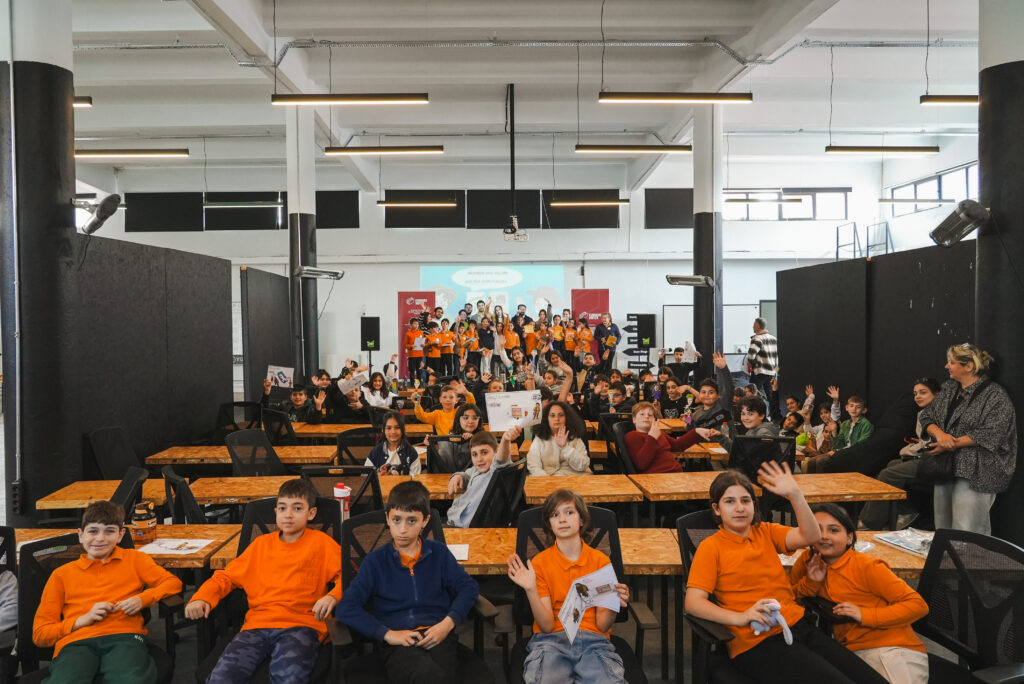
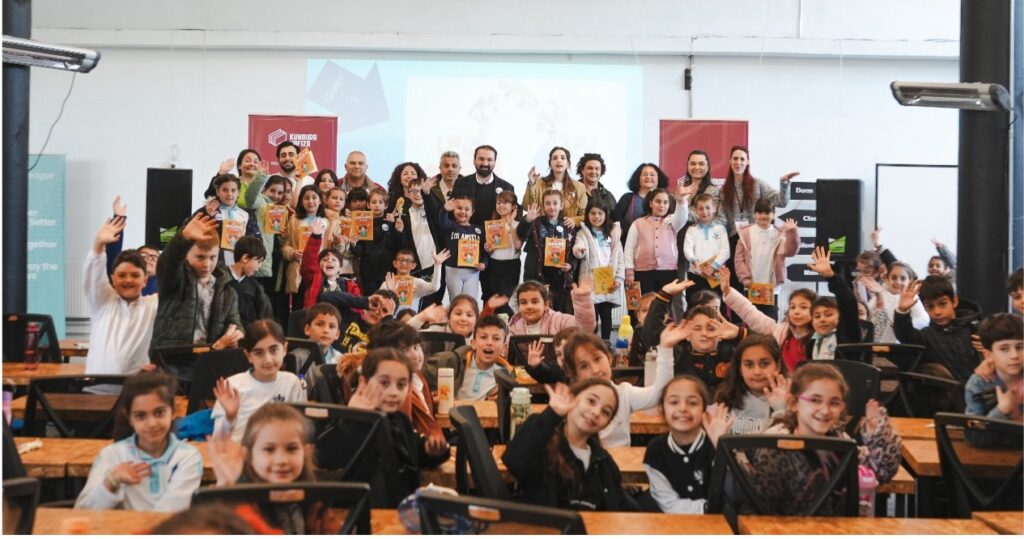
In April, the Kundura Hafıza Children’s Culture Festival took place. At the program, held in collaboration with the Ministry of Culture and Tourism, students from primary schools in and around Beykoz explored the concept of cultural heritage and tried out different production techniques in day-long workshops. The second Children’s Culture Festival will be held in April 2026.
In June, the Oral History Workshop, led by Prof. Dr. Arzu Öztürkmen and held online free of charge, covered the history of oral history, its methods, its scholarly reliability and examples of its practice in Türkiye; participants learned how they could use the oral history method in their research and teaching and explored the links between individual and collective memory.
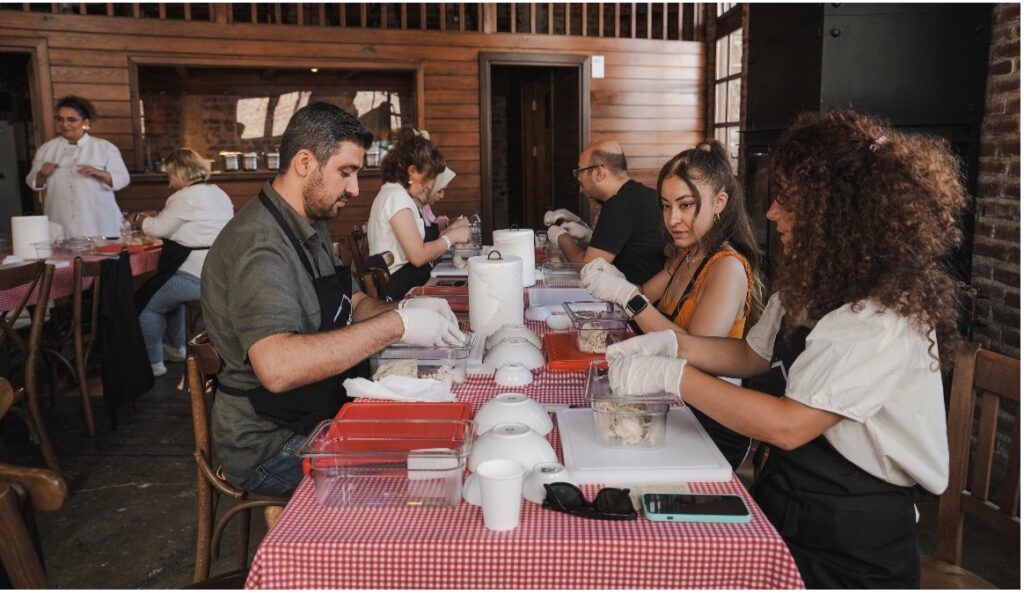
On July 11-12, Sümerbank’s 92nd anniversary was celebrated with a comprehensive program. Over July 11-12, the celebrations continued with exhibition tours, workshops, talks, archive visits and children’s activities. The “Memory and Flavor Gatherings,” featuring dishes made from recipes in the Sümerbank magazine, the leather wallet and photo embroidery workshops, the memory walk with retired workers and the archive visits drew great interest. The events concluded with a talk on the forthcoming book “Beykoz Kundura,” written by Dr. Hakan Koçak and edited by İsmet Akça, and a conversation in which journalist Deniz Zeyrek discussed the production ideals of the early Republic and Sümerbank’s place in collective memory.
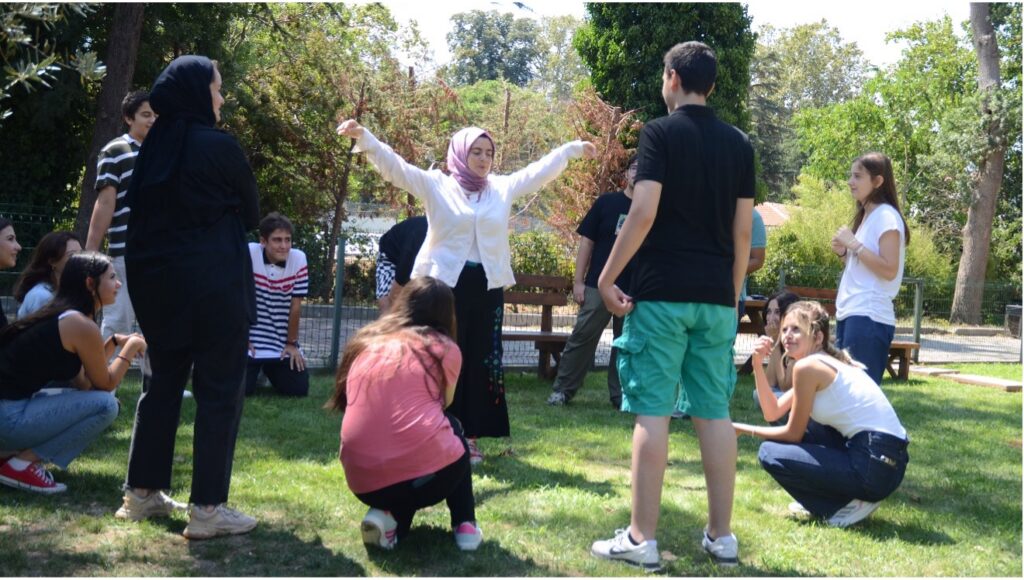
The Kundura Hafıza Cultural Heritage Summer School was held from August 18 to 22, 2025, with the aim of helping young people get to know the concept of cultural heritage, take ownership of it and develop an awareness of conservation. Students from high schools and equivalent schools in and around Beykoz reinforced their knowledge through hands-on experience in theoretical classes and practical workshops. Over the course of the program, topics such as tangible and intangible cultural heritage, natural heritage, archaeology, museum studies, archiving, architecture and industrial heritage were addressed. Through activities such as architectural model making, drama, storytelling, archive building and natural heritage mapping, participants both created work and developed their teamwork, communication and problem-solving skills. The program will continue with Peer education sessions in March 2026, giving participants the opportunity to pass on what they have learned to younger age groups.
Open to visitors since 2021, the “Kundura’s Memory: A World Fit into a Factory” permanent exhibition welcomed visitors free of charge from Wednesday to Thursday between 13.00 and 20.00. It met visitors from various universities, schools and civil society organizations. Guided tours and memory walks held on the last Friday of every month gave participants the chance to explore the content of the exhibition in greater depth.
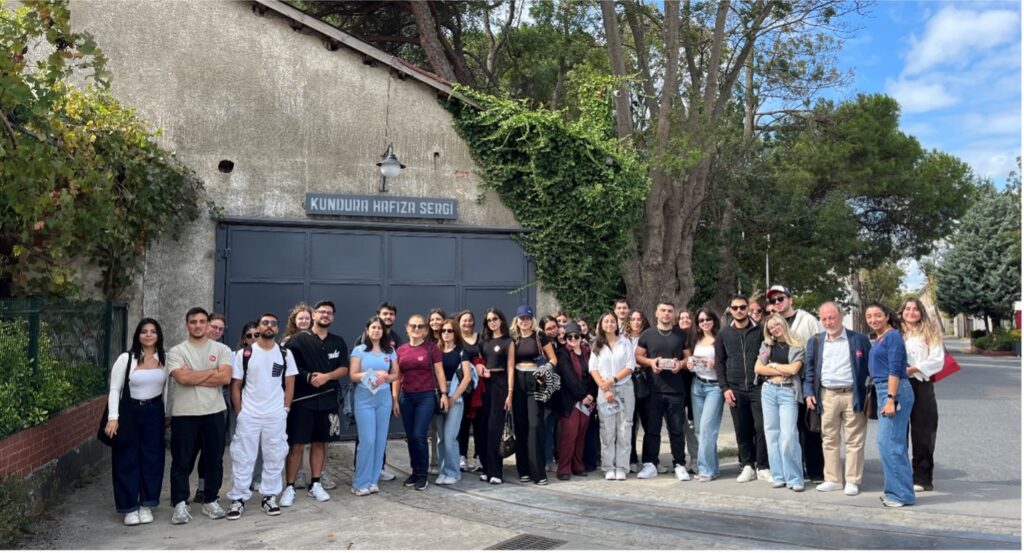
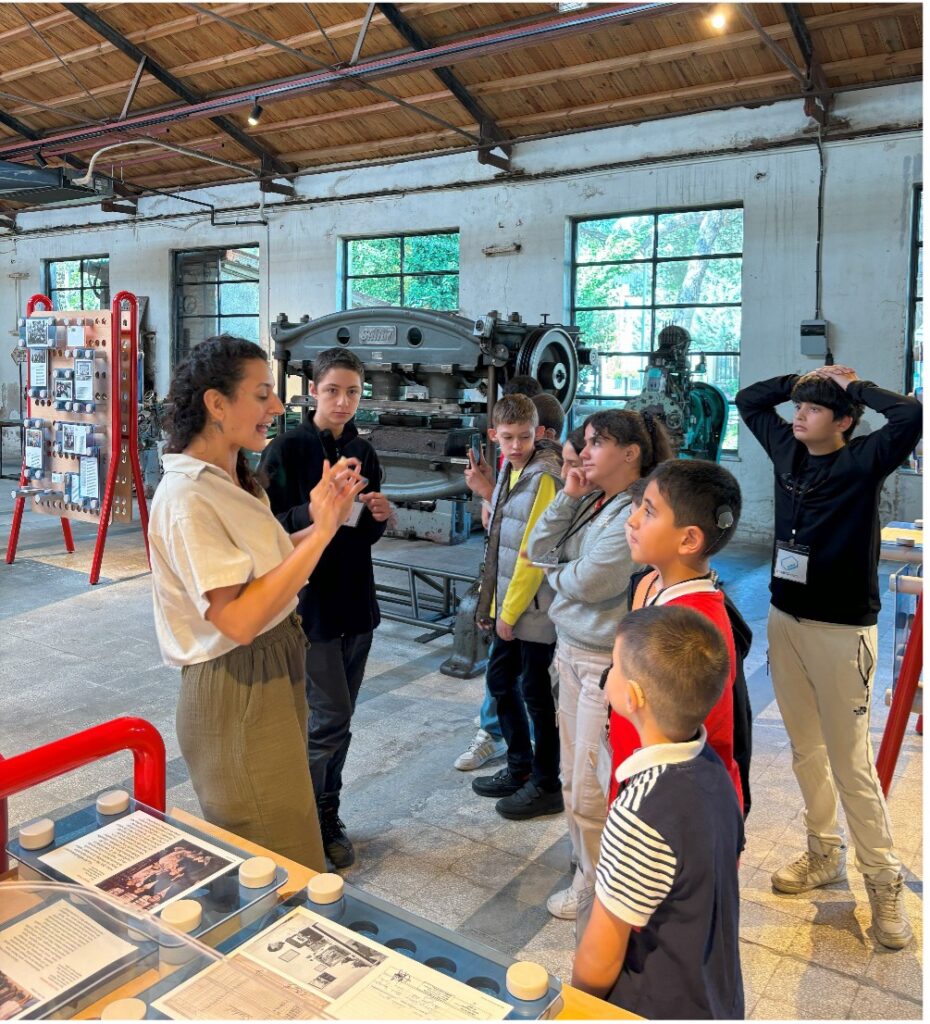
Sign Language Exhibition Tour for Hearing-Impaired Visitors
Kundura Hafıza made access to cultural heritage for hearing-impaired participants a priority. Hearing-impaired visitors took an active part in the sign language exhibition tours held during International Week of the Deaf and in December. In addition, work continues on making events accessible to other disadvantaged groups as well.
Beyond being a historic industrial heritage site, Beykoz Kundura once again drew attention in 2025 with public programs that aim to keep cultural memory alive and pass it on to future generations. Covering learning experiences for both adults and children, the events held throughout the year sought to carry awareness of cultural heritage to different generations.
Figen Tokgöz
Learning Programs Coordinator