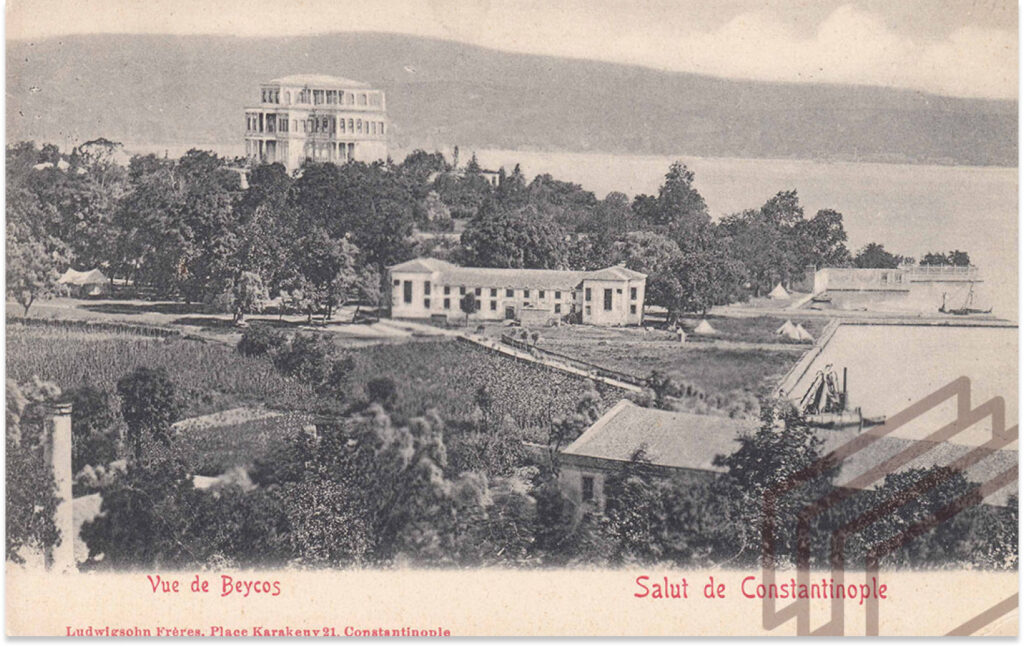
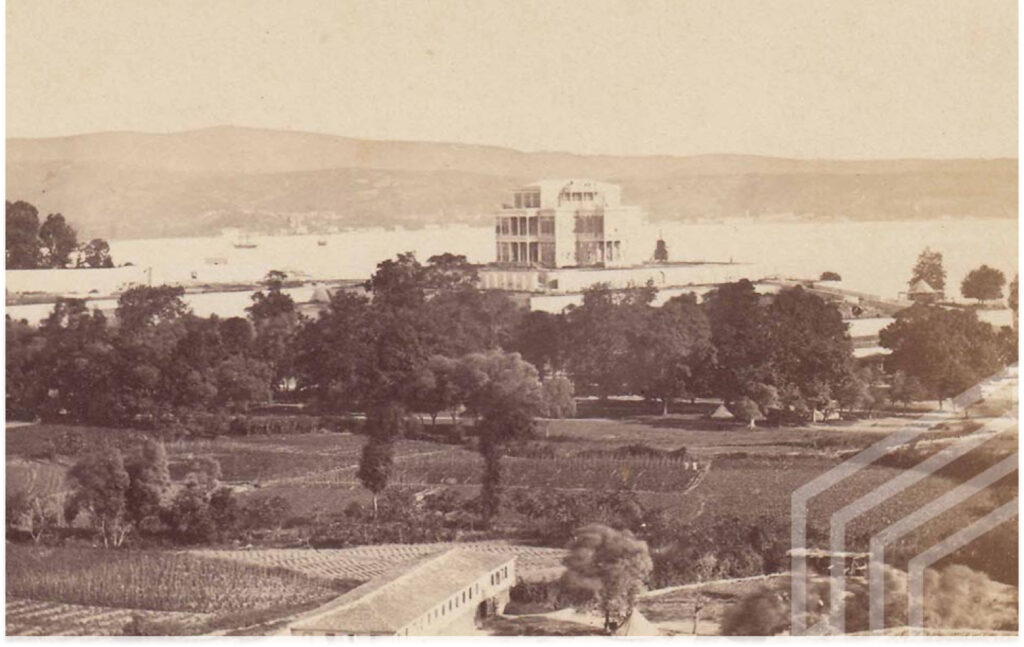
Inspired by the memory of the Sümerbank Leather and Shoe Industry Establishment, which became the foremost symbol of industrialization and domestic production, particularly in the history of the Republic, Beykoz Kundura has designed a new identity through which it embraces the social values created by the Sümerbank Establishment, serves the creative industries, and continues to give new life and purpose to the site and to produce.
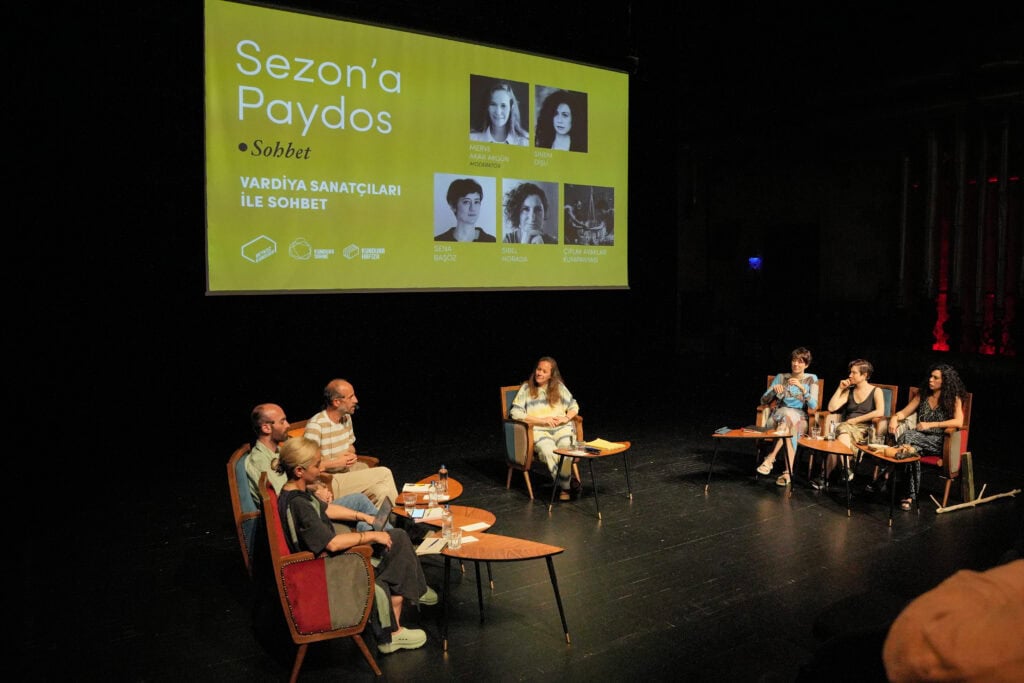
The first edition of Vardiya, an artist program that aims to create new spaces for thinking and encounter where art and the archive meet, takes place. In the same year, Kundura DocLab, the new program of KunduraLab, begins its work.
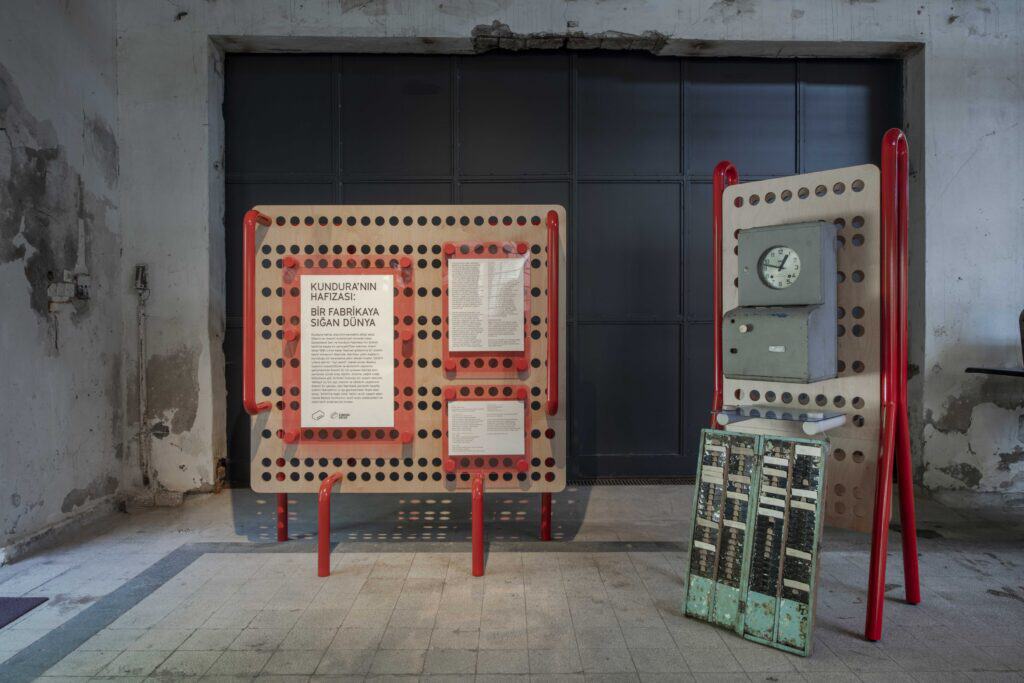
The Kundura Hafıza Cultural Heritage Preservation Association is founded, and its first project, the exhibition Kundura’s Memory: A World Fit into a Factory, opens in June.
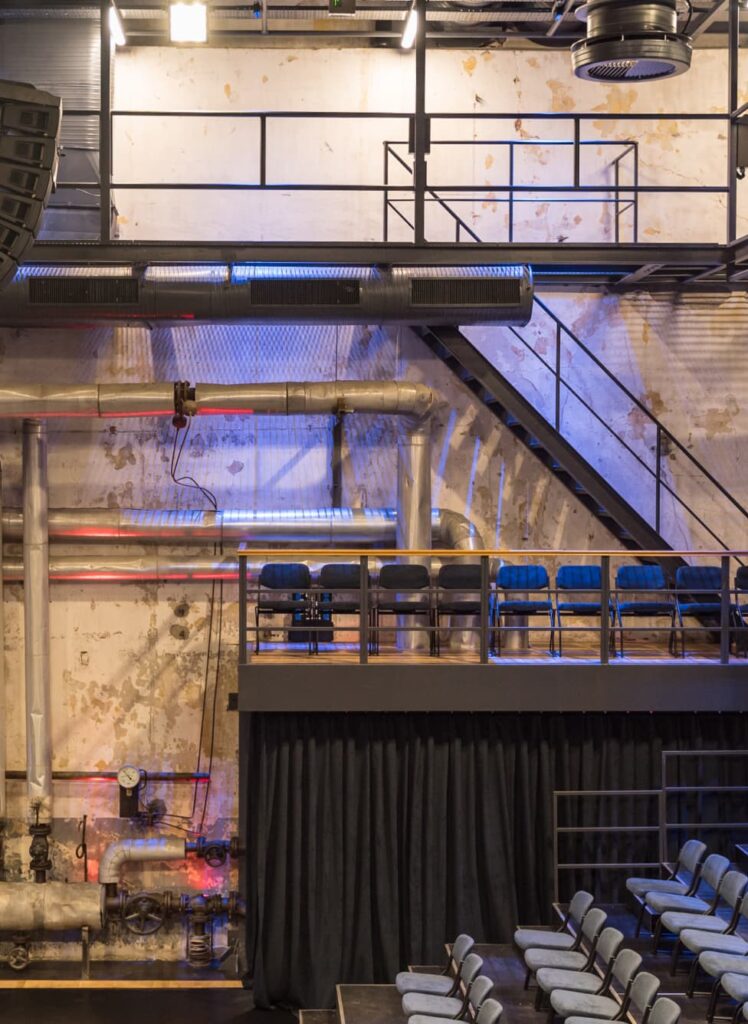
Kundura Sahne, designed as a venue for theater, concerts and performance, opens its doors.
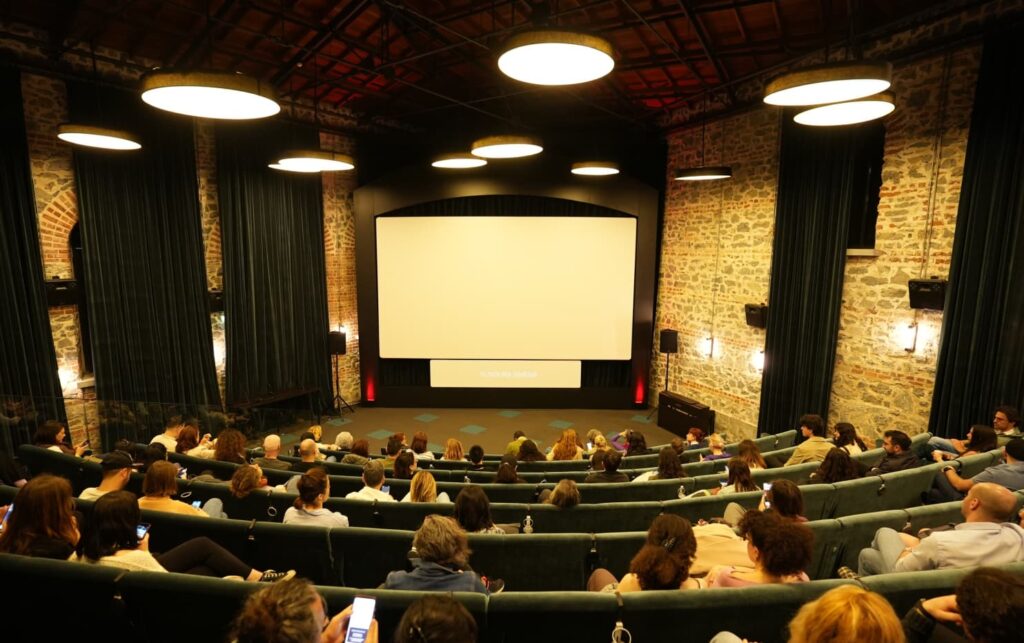
Inspired by the film screenings held during the factory years with the participation of both the workers and the people of Beykoz, part of the Boiler House is converted into a movie theater. Since November 2018, Kundura Sinema has hosted curated film programs that are renewed at regular intervals.

Restored Film Days, Beykoz Kundura’s first open-air film event, is held.
Kundura Hafıza’s oral history work begins. As part of this work, the doors of Beykoz Kundura open once again to former factory workers. The oral history project that began with the factory’s veteran workers continues today with the founding of the research center known as the Kundura Hafıza Archive and Research Center.
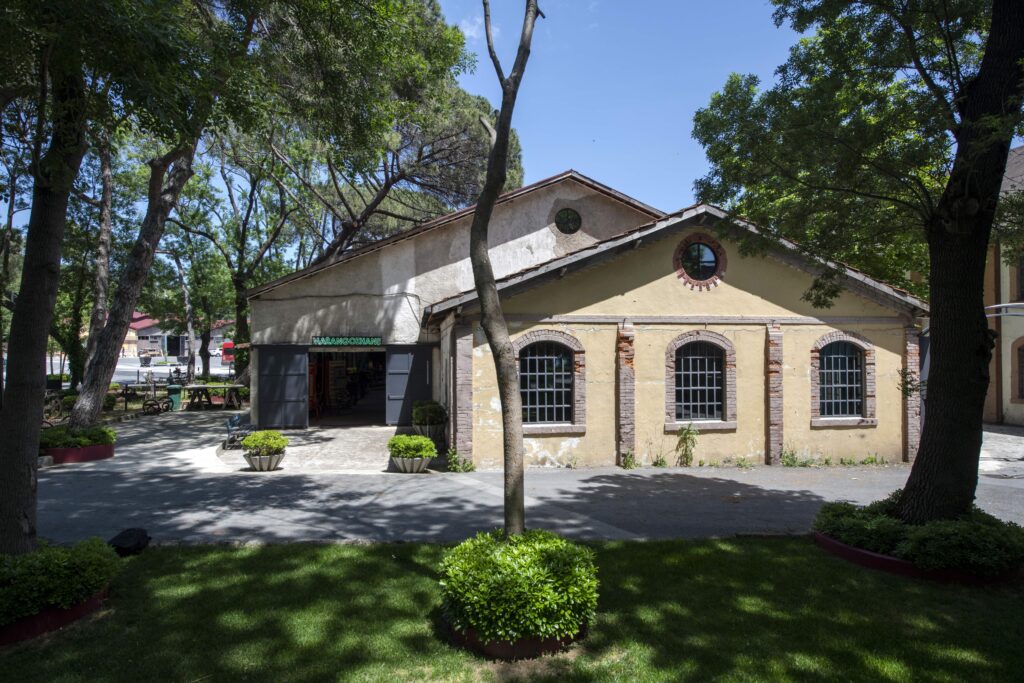
The first international event held at Beykoz Kundura is the launch of YouTube Türkiye.

Öyle Bir Geçer Zaman ki becomes the first TV series to build a street set at Beykoz Kundura.
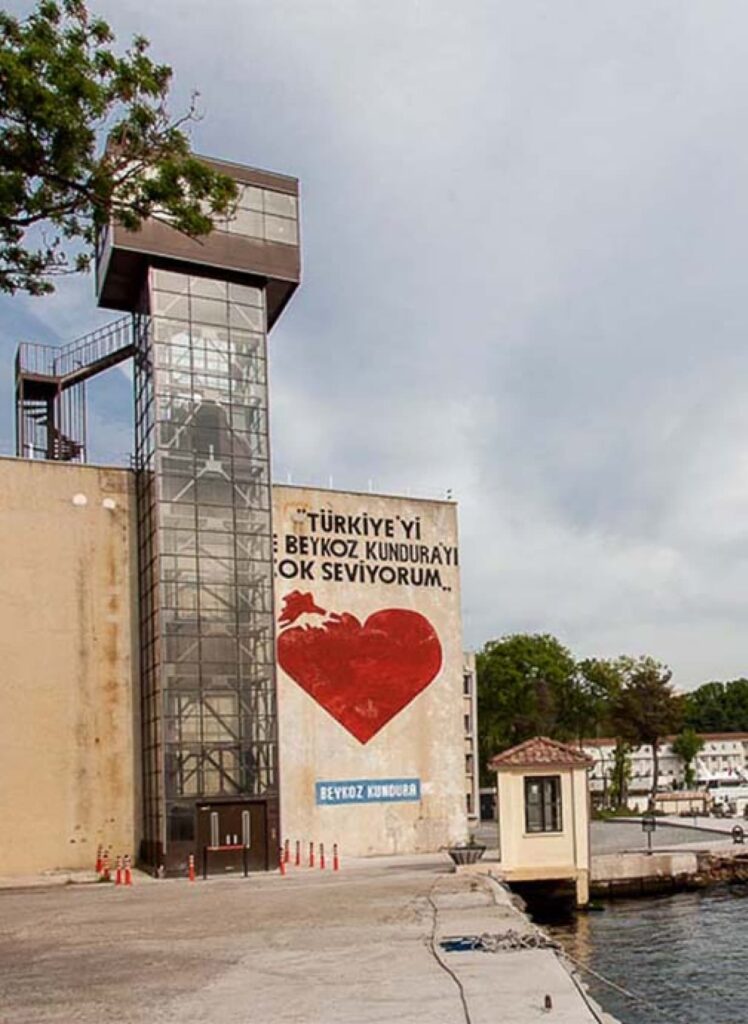
As part of the privatization of Sümerbank, the Beykoz Deri ve Kundura Fabrikası joined Yıldırım Holding under the management of Ali Rıza Yıldırım. Under the management of Ali Rıza Yıldırım, founder of ARY Holding, which today oversees the management and stewardship of the Factory, the Factory complex that served industry for two centuries has been given a new purpose with the responsibility and awareness that come with its cultural value, and since 2005 it has continued to serve the creative industries

In the 1980s the factory begins to operate at a loss. In 1987, with the decision to privatize Sümerbank, the bank is transferred to the Public Participation Administration. In 1993 the Ministry of Environment orders the leather division to be closed on the grounds that the factory is polluting the environment and the Bosphorus. In 1999, by decision of the Council of Ministers, production at the factory comes to an end.


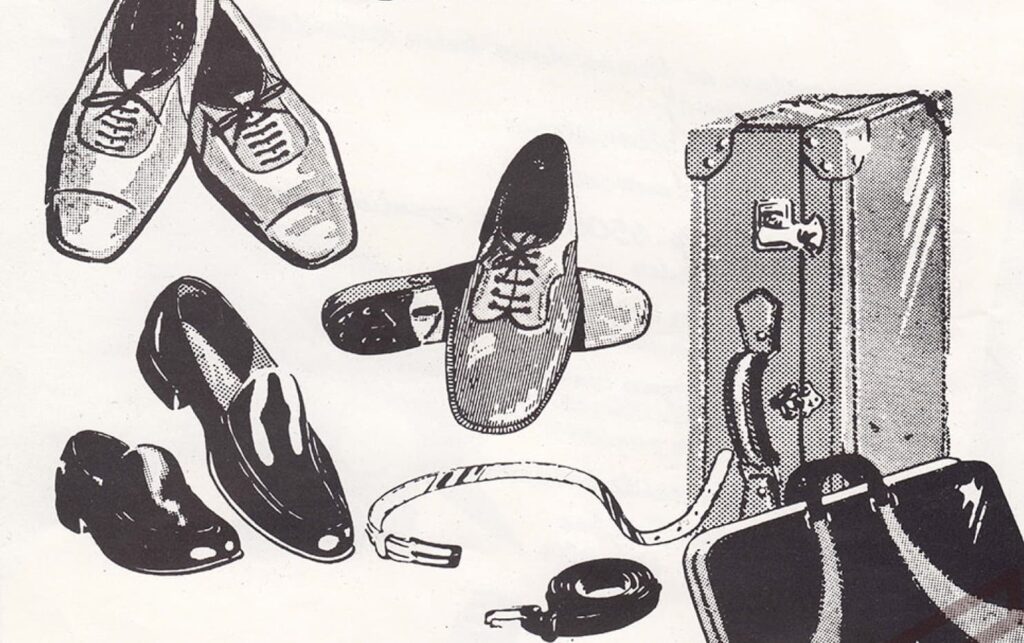
The factory’s annual production capacity rises to 2.5 million pairs.


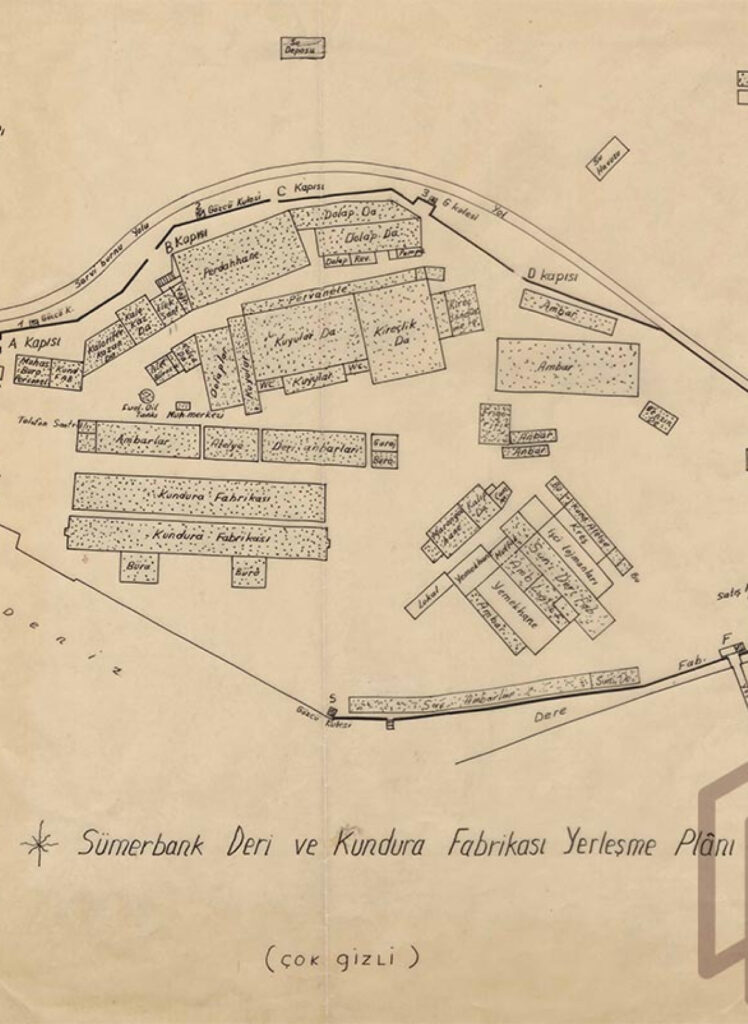
Over the years, the buildings of the former Hamidiye Paper Factory are used as a rubber works, an artificial leather factory, a warehouse, workers’ housing, a cafeteria, a daycare center and a cinema.
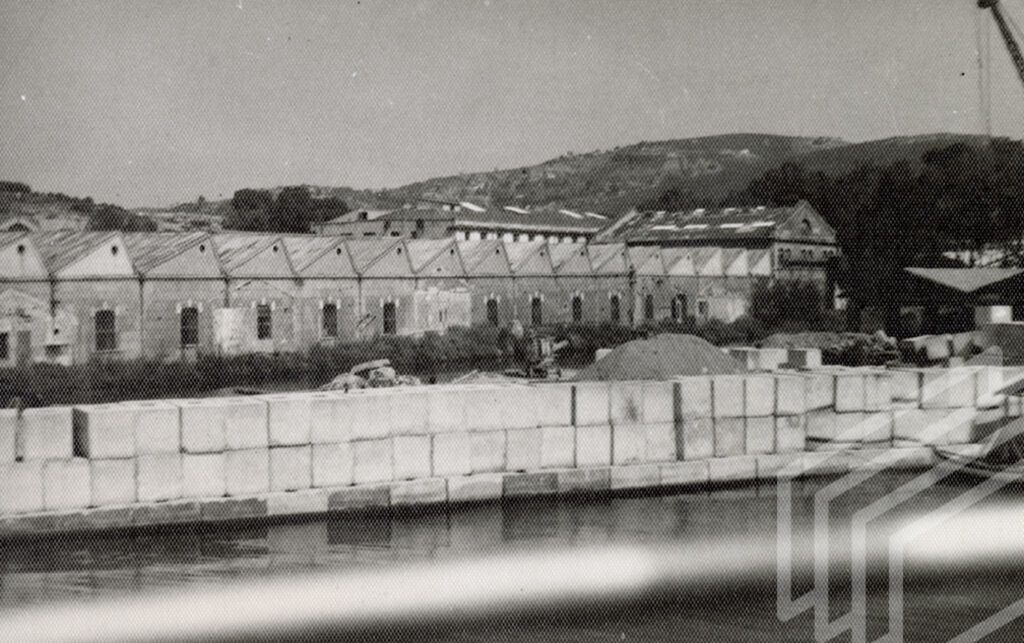
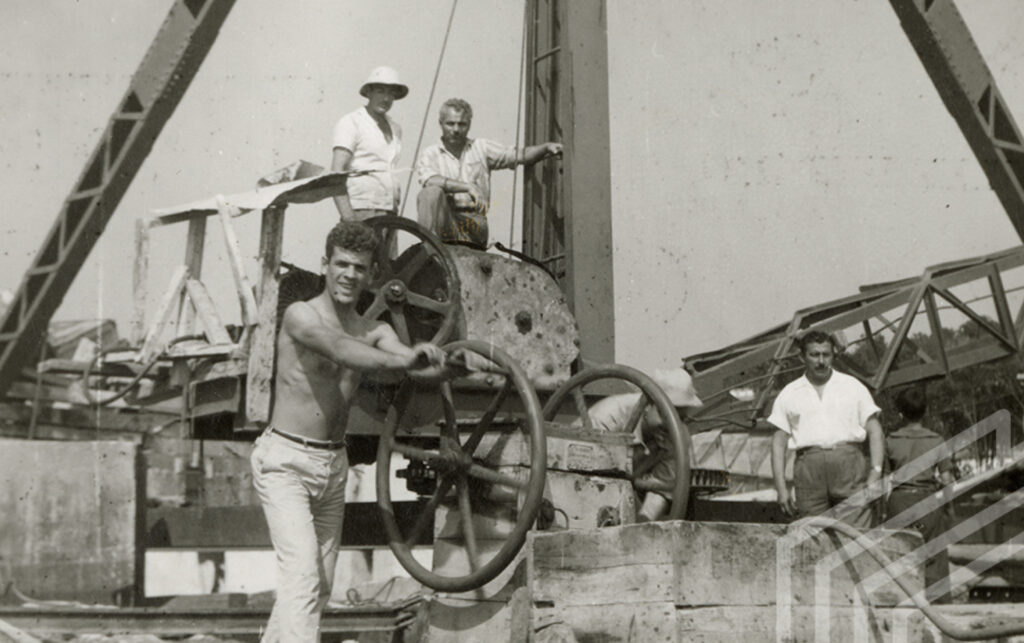
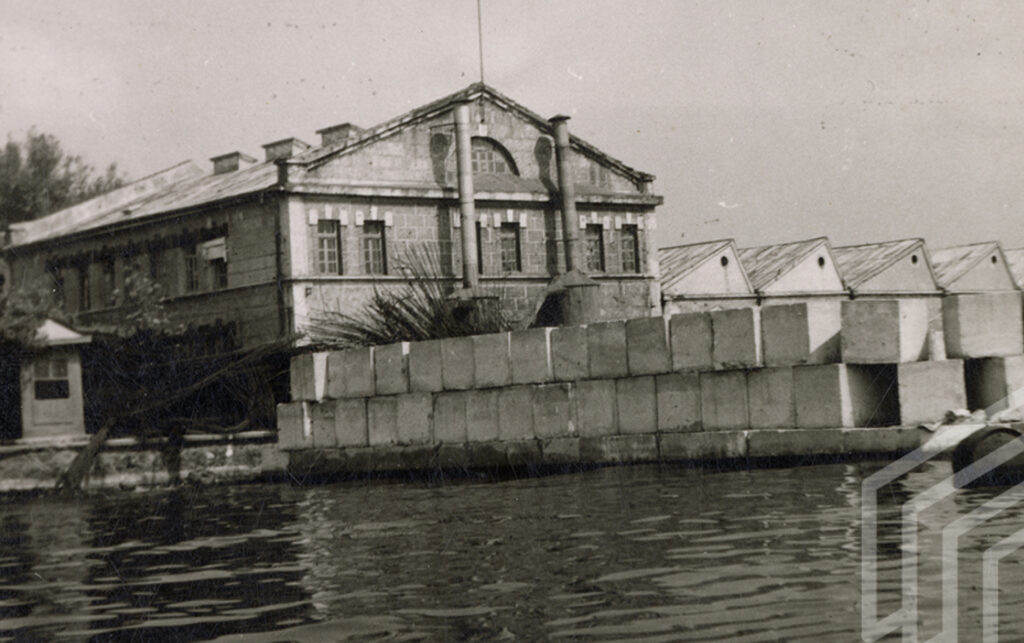
To increase the factory’s efficiency and modernize its production facilities, a group of architects and engineers brought in from Czechoslovakia begin construction of the New Kundura Factory, which still stands today. In 1964, with the help of Czech engineers from the Baťa Shoe Factory, an assembly-line production model is established at the factory.

With an investment of 43 million lira, the factory’s production capacity is increased to 1 million 863 thousand pairs of shoes a year. In these years, the factory employs 178 civil servants and 2317 workers.


Having sent officials and engineers to observe shoe factories in different parts of the world since the 1940s, the Sümerbank Beykoz Deri ve Kundura Fabrikası sends its engineers to the Baťa Shoe Factory in Czechoslovakia in 1947, laying the foundations for collaborations that would hold an important place in the factory’s history.
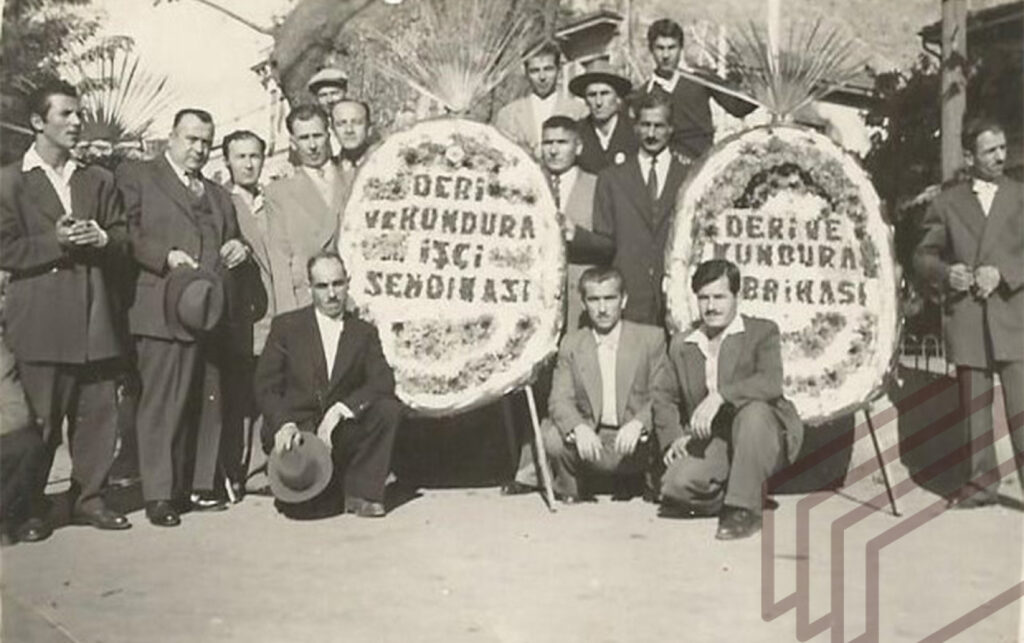
The workers of the Sümerbank Beykoz Deri ve Kundura Fabrikası begin to unionize. Thanks to the union, the factory’s employees gain many fringe benefits, and various training programs, a movie theater, sports activities, and celebrations and festivities that become traditions, all aimed at supporting the workers’ social lives and cultural and artistic development, become part of the daily life of both the factory and all the people of Beykoz.

The state begins distributing Beykoz Kundura products to all civil servants and soldiers in Türkiye.
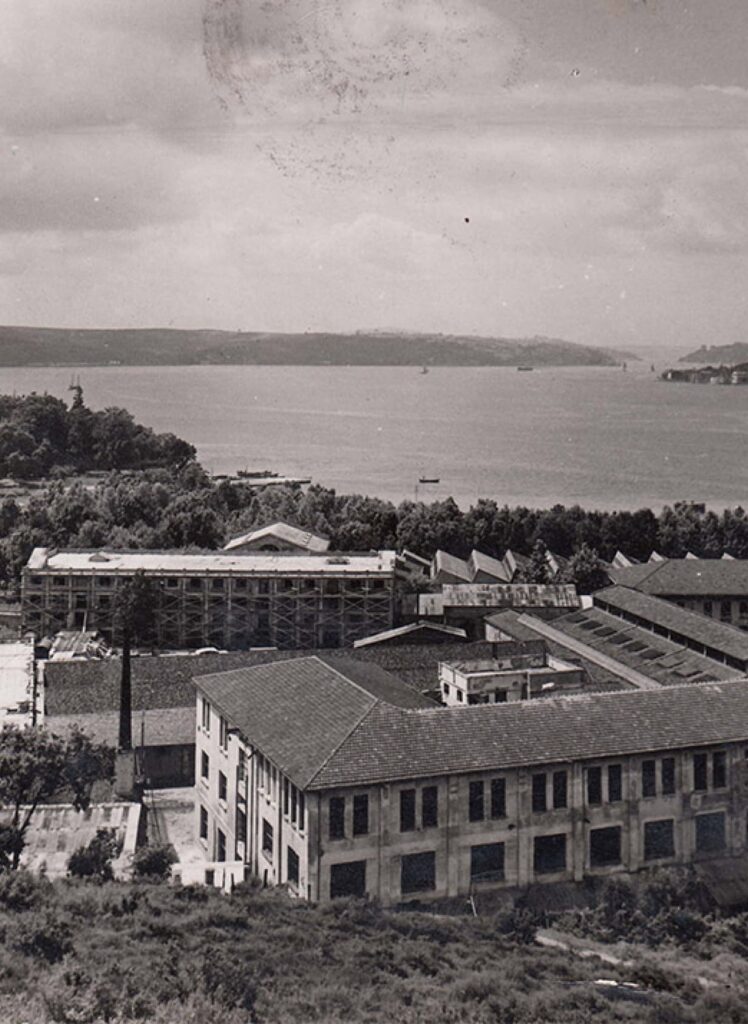
When Sümerbank is founded through the initiatives of Mustafa Kemal Atatürk to support national industry and local production, the Beykoz Factory is attached to Sümerbank and takes the name “Sümerbank Beykoz Leather and Shoe Industry Establishment.”
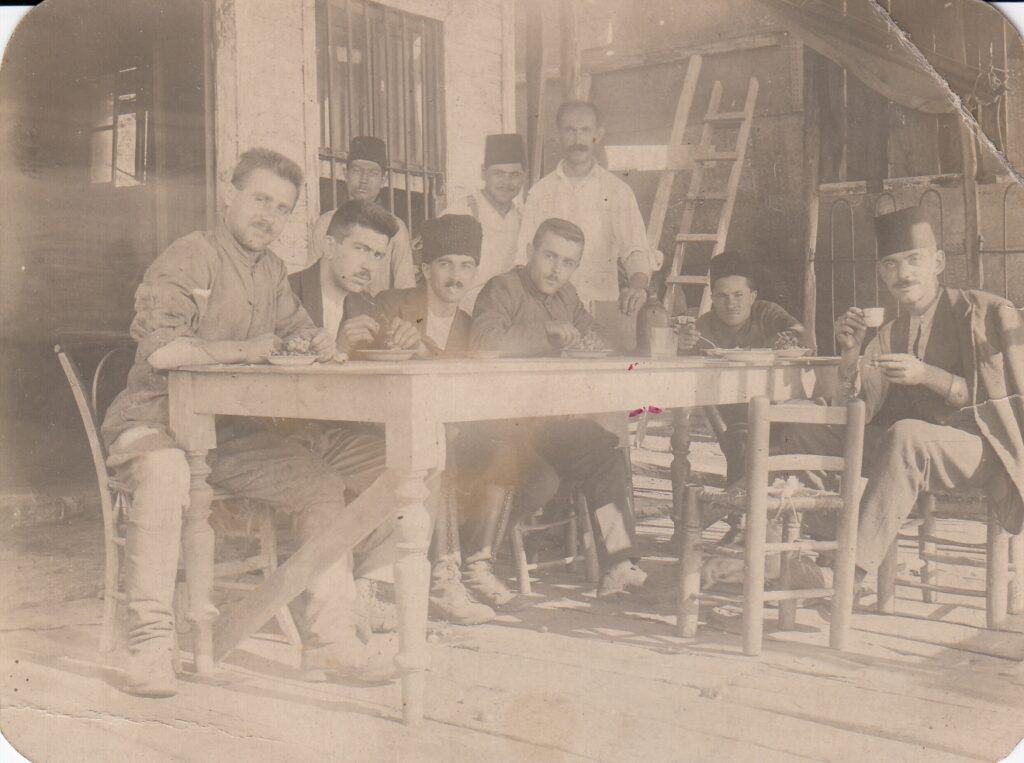
The Beykoz Factory is taken over from the army and transferred to the Milli İktisat Bankası (National Economy Bank).
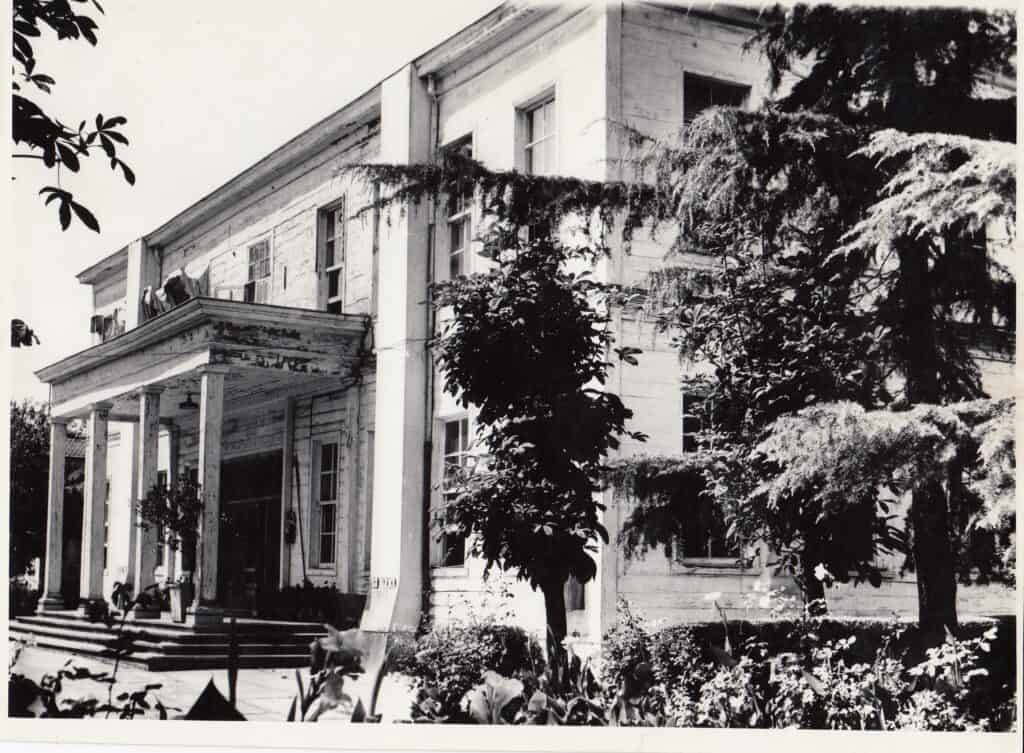
With the proclamation of the Republic, the Beykoz Factory is placed under the General Directorate of Military Factories on October 29.

In the first year of the First World War, Major Sabit (Tapan) Bey, one of the factory’s legendary directors, is appointed to lead it. A student at the Ottoman Military Academy (Mekteb-i Harbiye) at the same time as Mustafa Kemal Atatürk, Sabit Bey not only prioritizes the production of the shoes and leather materials the army needs during the war, but also strives to keep production going during the years of the National Struggle, when Istanbul is under occupation, and succeeds in sending munitions from Beykoz to Anatolia.
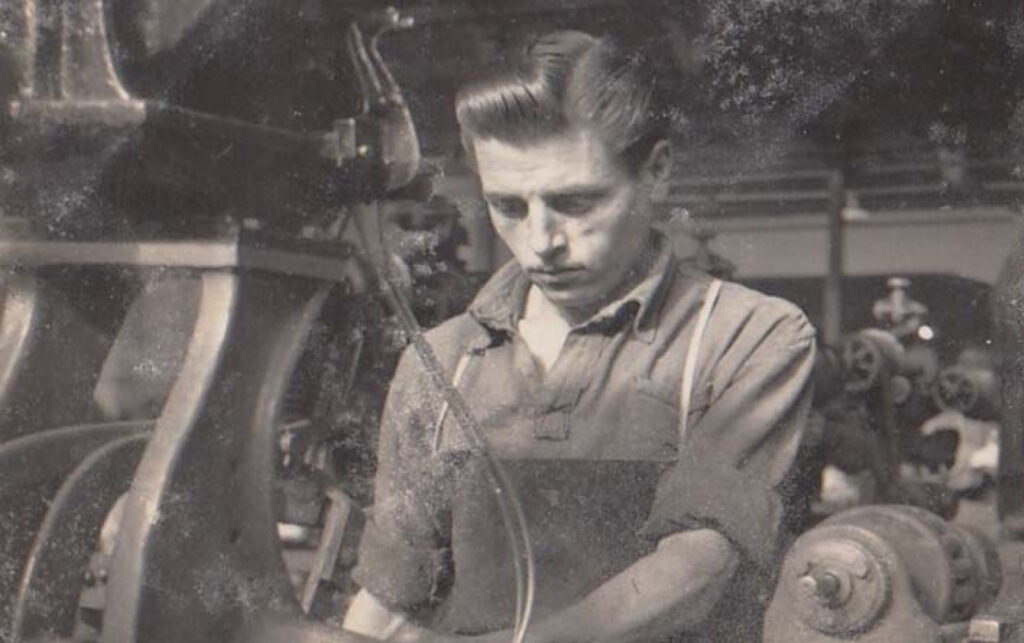
Through the initiatives of Grand Vizier Mahmud Şevket Pasha, the factory’s production capacity is increased. New steam boilers and diesel engines are brought from Europe, raising daily production to 2000 pairs of shoes. For the first time in its history, the factory began producing shoes for the public as well as for soldiers.
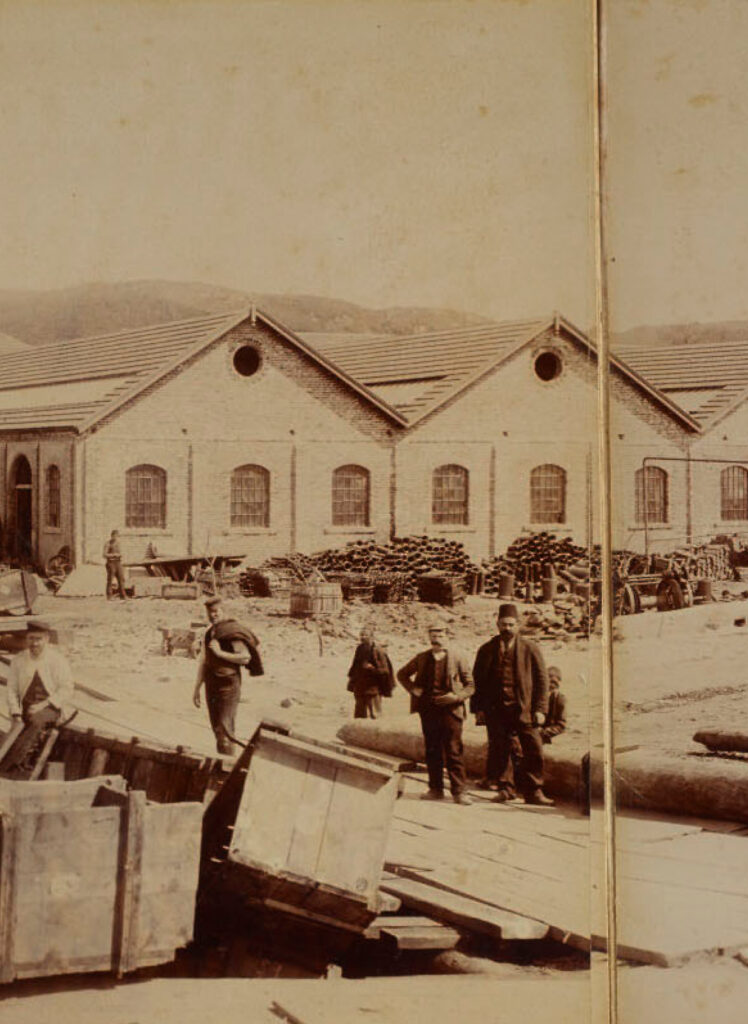
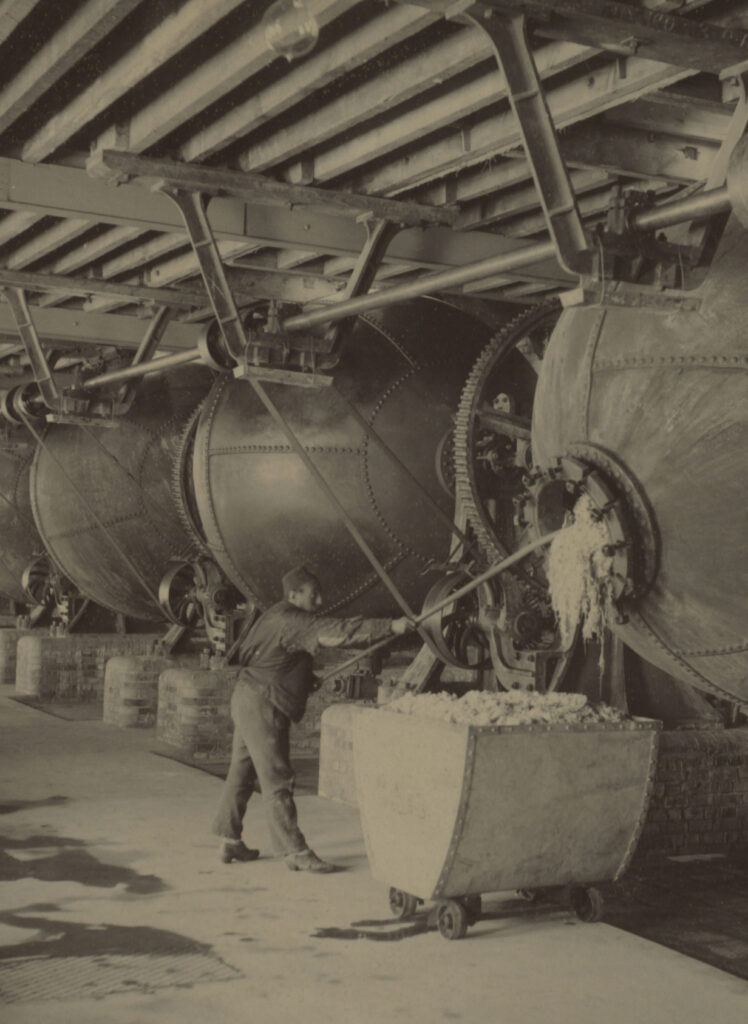
By order of Sultan Abdülhamid II, construction of the Hamidiye Paper Factory begins within the factory grounds, in partnership with the British, under Chamberlain Osman Zeki Bey, who also gave his name to the Osmanbey neighborhood in Şişli. The building of the paper factory, which operated until 1912, still stands today.
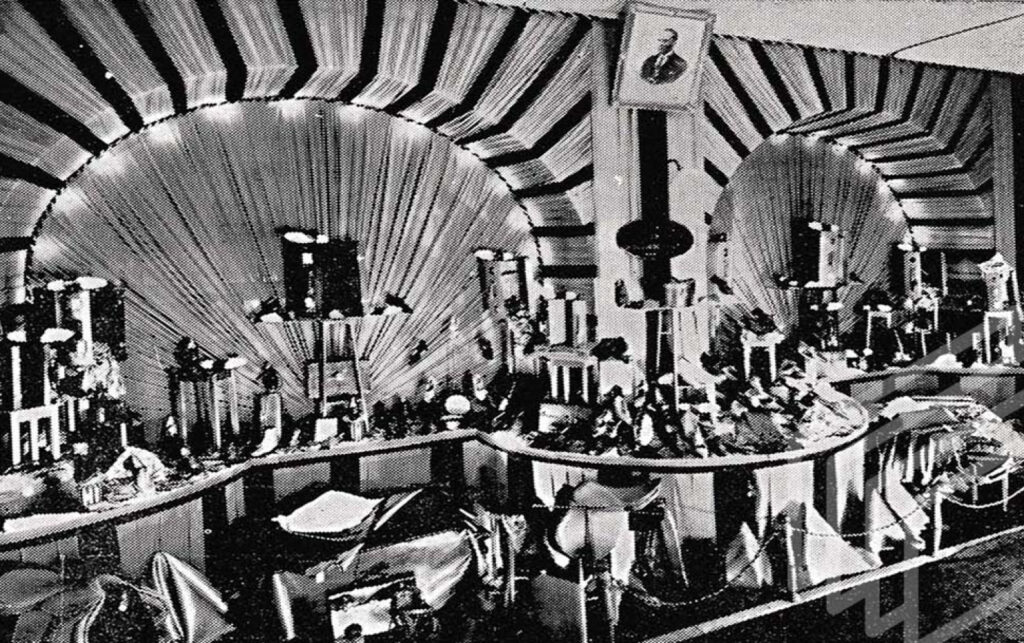
Shoes and boots produced in Beykoz are awarded a gold medal at the International World’s Fair in Vienna.

Production at the factory is modernized, raising daily output to 300 pairs of shoes.

At the International World’s Fair (Exposition Universelle) in Paris, leather military equipment, shoes and boots produced in Beykoz are exhibited among Ottoman industrial products.
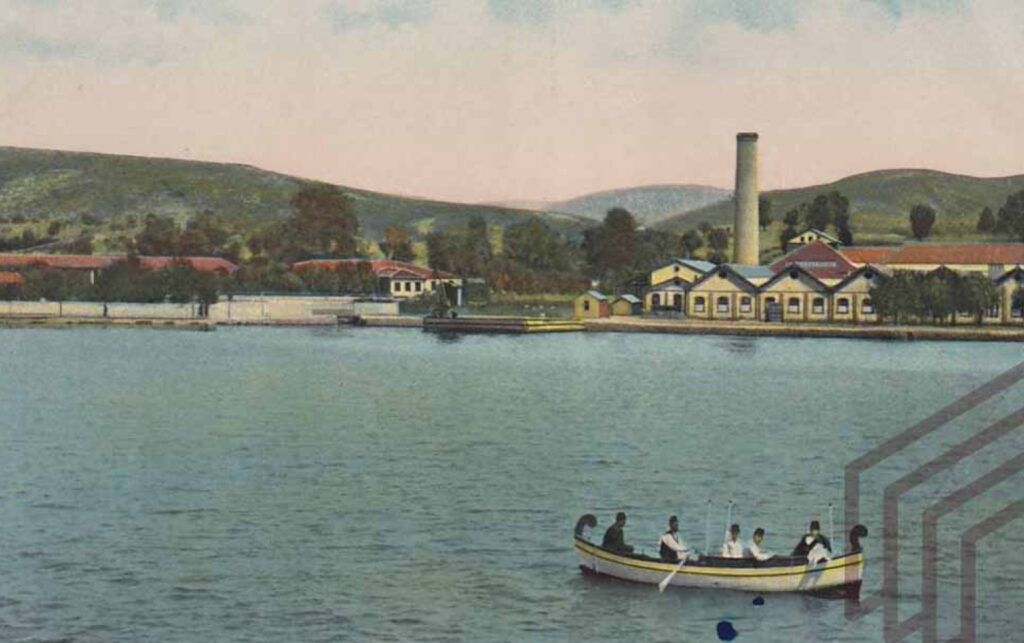
During the reign of Sultan Abdülmecid, work begins to expand and modernize the factory. Seventy new leather pits are dug, 2 stone mills are installed and 2 steam boilers are brought in, and the factory in Beykoz, like its counterparts in Europe, begins production with steam-powered machinery.

After abolishing the Janissary Corps, Mahmud II has new sections built at the factory in Beykoz. The factory, which had previously produced only military equipment, begins to produce shoes and boots as well for the newly established modern army, the Asakir-i Mansure.

By order of Mahmud II, a tannery beside the Beykoz Stream belonging to a man named Hamza Efendi is purchased. Named Dabakhane-i Klevehane-i Amire, the facility begins producing leather goods needed by the army, such as bandoliers and harnesses. Thus begins the story of leather production in Beykoz, which would continue for nearly two centuries.